
Grading Pokémon cards is one of those things every collector hears about – but not everyone fully understands. You might store your collection carefully in a pokemon card binder, keep everything sleeved, and still be surprised to learn that a card’s condition isn’t quite what you thought. Or you see the same card selling online for wildly different prices, all based on a small number printed on a plastic case. Grading has become an indispensable service for card collectors and is now a standard part of the business and industry of trading cards.
That number comes from grading, and it plays a huge role in how Pokémon cards are valued, bought, and sold. Grading isn’t just about rarity or nostalgia – it’s about condition, consistency, and trust. A professionally graded card gives buyers confidence and helps sellers justify their prices in a crowded market. Card grading involves sending a collectible card to a third-party organization, which encapsulates it in a sealed case with a grading label.
Whether you’re sitting on old childhood cards or pulling modern hits, knowing how grading works can save you money and disappointment. Grading companies offer a range of services, including authentication, protection, and customer support, and their grading system is trusted by collectors and the industry. Understanding what graders look for – and when grading actually makes sense – is the difference between submitting a smart card and paying for a lesson you didn’t need.
What Does It Mean to Grade a Pokémon Card?
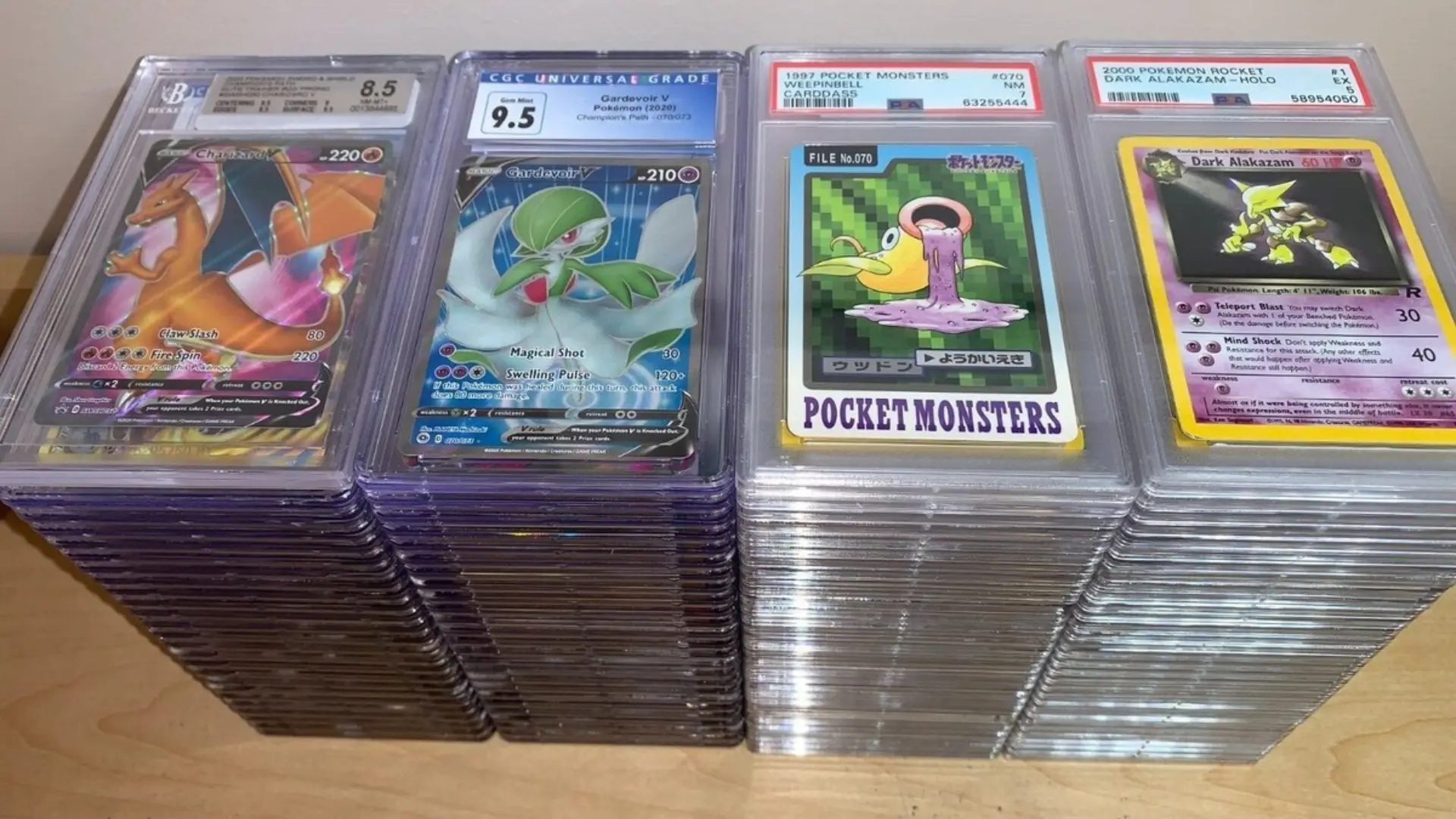
Grading a Pokémon card means having its condition professionally evaluated by a third-party grading company and assigned a numerical score, usually on a scale from 1 to 10. That score reflects how well the card has been preserved since it was printed – not how rare or popular it is.
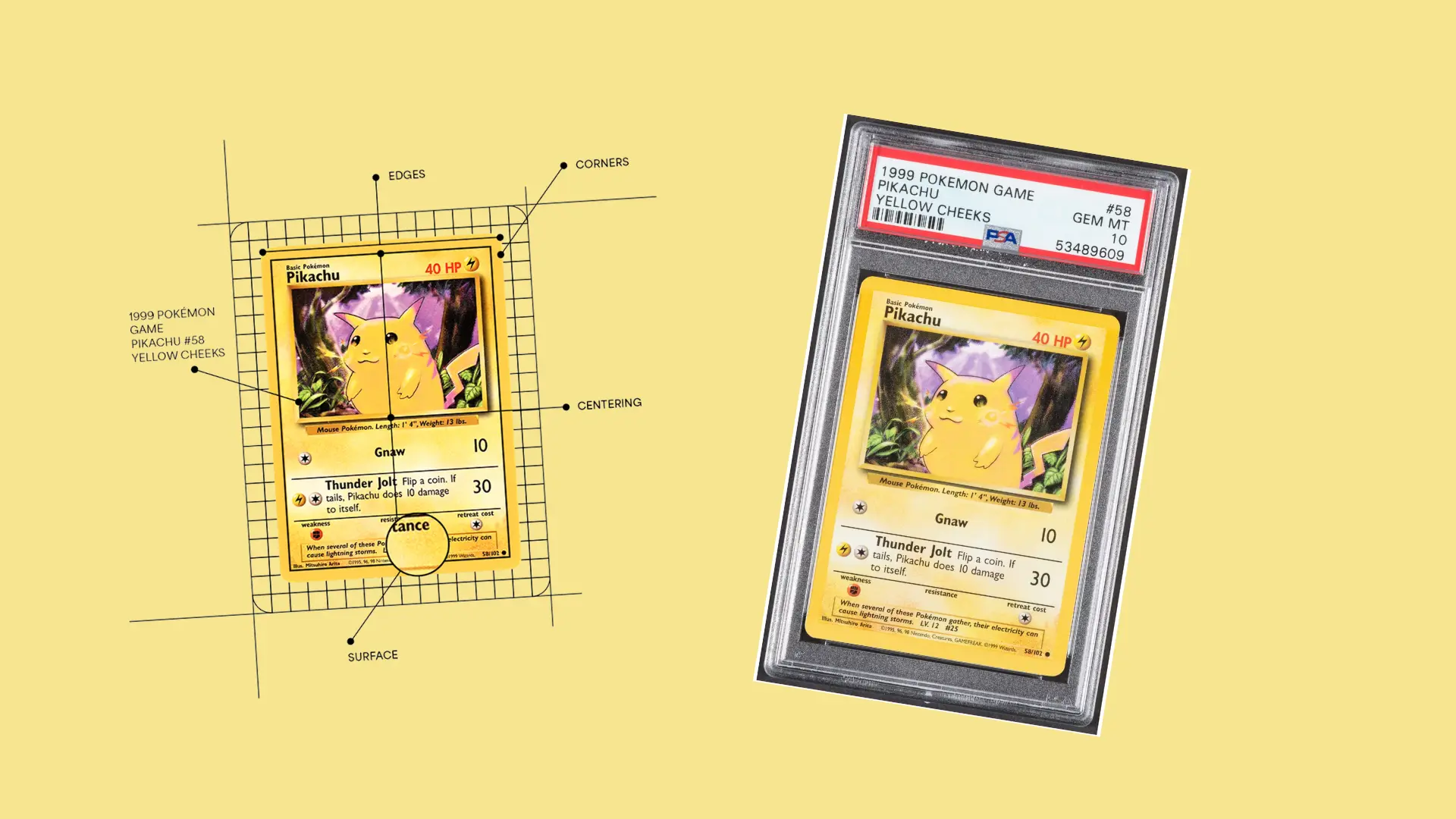
When a card is graded, it’s examined under controlled lighting and magnification to assess several key factors, including centering, corners, edges, and surface quality. Even flaws that are easy to miss, like slight off-centering or tiny edge wear, can affect the final grade.
Once the evaluation is complete, the card is sealed in a tamper-resistant case, often called a slab, with a label showing the grade and key details. This protects the card from further damage and creates a standardized reference point for collectors and buyers.
Grading matters because it removes guesswork. Instead of relying on subjective descriptions like “near mint,” a graded card offers an objective assessment of condition – which is why graded Pokémon cards are easier to value, easier to sell, and often worth significantly more than their ungraded counterparts.
The Main Factors Used to Grade Pokémon Cards

When grading Pokémon cards, condition is everything. Graders don’t look at a card as a whole and make a judgment call – they break it down into specific areas, each of which can raise or lower the final grade. For each area, graders may note specific flaws or point deductions, which can significantly affect the final grade. Understanding these factors makes it much easier to assess a card realistically before submitting it.
Centering
Centering refers to how evenly the artwork and borders are aligned on the card. Graders check both the front and the back, with the front usually weighted more heavily. If one side has noticeably thicker borders than the other, the card is considered off-center. Manual adjustments to the border line are sometimes necessary to ensure accurate centering, as misaligned border lines can affect the grade. Even slight centering issues can prevent a card from achieving a top grade.
Corners
Corners are one of the quickest places for wear to show. Graders look for whitening, fraying, or rounding, especially on older cards. Sharp, clean corners are essential for high grades, and damage to even one corner can drop a card down a full grade or more.
Edges
Edges are inspected for chipping, wear, or discoloration along the sides of the card. This is where play wear and storage issues often show up. Factory imperfections can also affect edges, which is why pack-fresh cards don’t automatically grade perfectly.
Surface
Surface condition covers everything from scratches and print lines to dents, stains, and scuffs. Holographic cards receive extra scrutiny, as scratches are easier to spot under light. Surface flaws are often subtle, but they’re one of the most common reasons cards miss higher grades. For a card to achieve a gem mint 10 grade, its surface must be free of flaws, stains, or markings, ensuring a pristine and defect-free appearance.
Each of these factors works together to determine the final score. A card doesn’t need to be flawless in every category to grade well – but weaknesses in one area will always hold it back, no matter how strong the others are.
Pokémon Card Grading Scale Explained
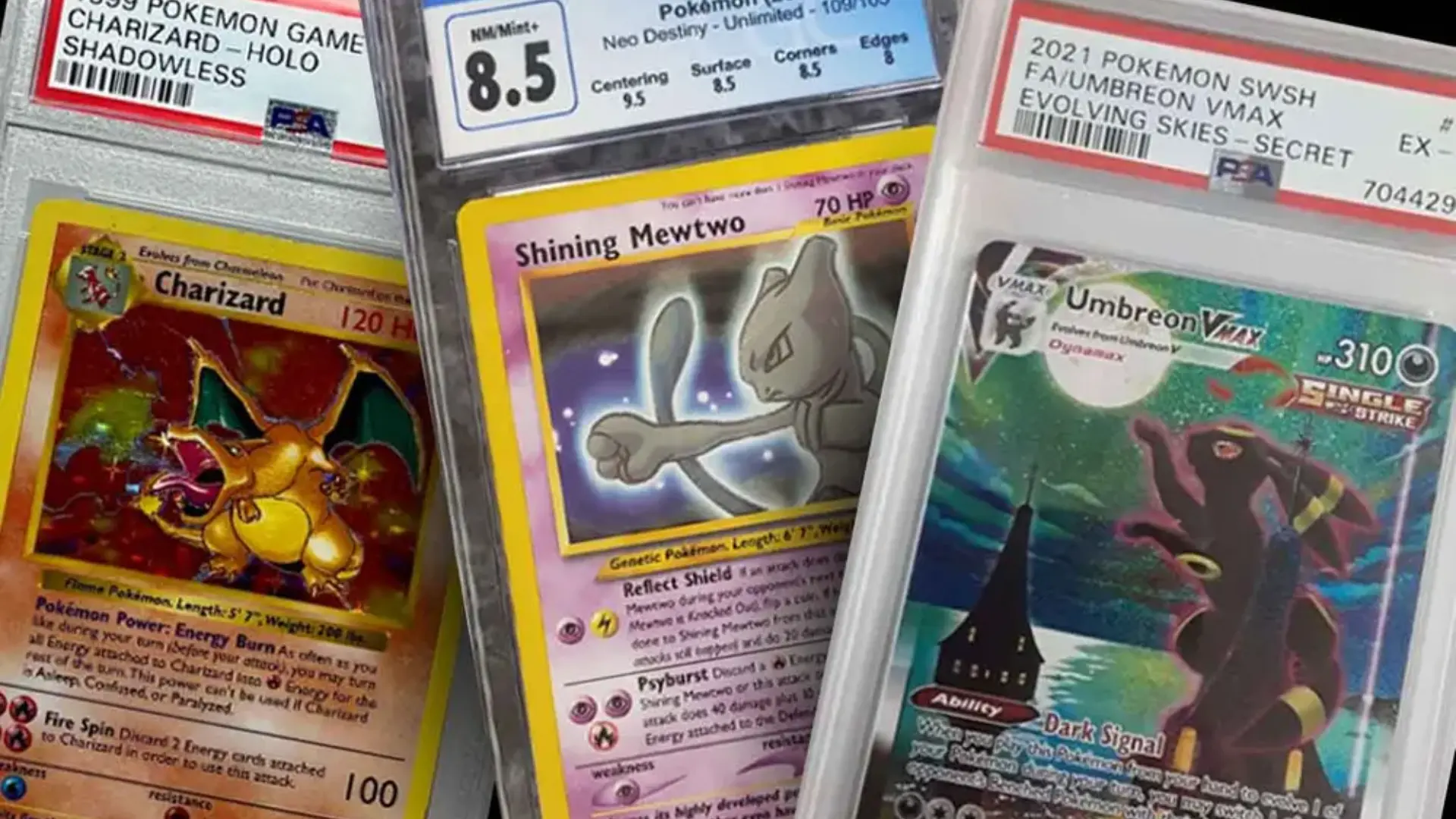
Most Pokémon cards are graded on a 1 to 10 scale, with higher numbers indicating better overall condition. While the numbers seem straightforward, the difference between grades – especially at the top end – can be surprisingly strict.
A 10 represents a gem mint card. To achieve a gem mint grade, a card must meet the strictest standards, such as perfect centering (often 55/45 or better), flawless corners, pristine edges, and no visible surface imperfections. Only cards that meet these criteria receive the highest grades. For example, a gem mint Charizard card will have razor-sharp corners, perfectly centered artwork, and a spotless surface with no print lines or whitening-serving as a benchmark for what collectors should look for. Many collectors assume pack-fresh cards qualify, but in reality, only a small percentage meet this standard.
A 9 is typically considered mint. These cards may have very minor flaws that are difficult to notice without close inspection, such as slight centering issues or tiny surface marks. Despite the small difference, the value gap between a 9 and a 10 can be significant.
Grades 7 and 8 fall into near mint to near mint–mint range. These cards still look excellent, but closer inspection reveals visible wear – light whitening, subtle scratches, or centering that’s clearly off. Below that, grades 6 and under show increasing signs of handling, play, or storage damage.
Understanding the grading scale helps set realistic expectations. Not every good-looking card is a high-grade candidate, and that’s normal. Grading isn’t about perfection – it’s about accurately reflecting a card’s condition within a consistent, trusted system.
How to Grade Pokémon Cards at Home (Before Sending Them In)
Before paying to have a Pokémon card professionally graded, it’s worth inspecting it yourself. At-home grading won’t give you an official score, but it can help you decide whether a card is worth submitting – or whether it’s better left ungraded. Before sleeving your cards, take a clear photo of each one for documentation and future reference.
Start with good lighting and a clean surface. Hold the card at different angles under a bright light to catch surface scratches, print lines, or dents that aren’t visible straight on. For holographic cards, this step is especially important, as flaws tend to show up in reflection.
Next, check the centering. Compare the border thickness on all sides of the card, both front and back. If one side looks noticeably thicker, the card is likely off-center enough to affect the grade.
Inspect the corners and edges closely. Whitening, tiny nicks, or rough spots along the edges can drop a card out of higher grades. Using a magnifying glass or jeweler’s loupe can help reveal wear that’s easy to miss.
After inspection, use new sleeves to protect your Pokémon cards. Then, insert each card into card savers or toploaders for rigid protection before grading. Create a grading spreadsheet to track the condition and expected grades of each card.
When deciding which cards to submit, consider both emotional and monetary value. Create an account with your chosen grading company and enter your card details and declared values into their submission system.
Finally, be honest with yourself. Many collectors overestimate condition because of emotional attachment or the fact that a card looks great in a sleeve. If you’re already spotting multiple flaws, professional graders will too – and that information can save you time, money, and frustration before you submit. Creating a proper submission by carefully preparing, protecting, and documenting your cards increases your chances of a successful grading experience.
Popular Pokémon Card Grading Companies

Choosing the right grading company matters almost as much as the grade itself. Different companies are trusted for different reasons, and the one you choose can affect resale value, turnaround time, and how buyers perceive the card.
PSA (Professional Sports Authenticator)
PSA is the most widely recognized grading company in the Pokémon market. PSA-graded cards are highly liquid, meaning they’re easier to sell and often command higher prices. The downside is longer turnaround times and higher costs, especially during periods of high demand.
Beckett Grading Services (BGS)
Beckett is known for its strict grading standards and detailed subgrades, which break down centering, corners, edges, and surface individually. Their coveted Black Label is one of the most valuable grades in the hobby, but it’s extremely difficult to achieve. Beckett tends to appeal to serious collectors rather than casual sellers.
CGC (Certified Guaranty Company)
CGC has gained popularity for offering faster turnaround times and more affordable pricing. While it historically focused on comics, its presence in Pokémon grading has grown quickly. CGC slabs are widely accepted, though they generally sell for less than PSA equivalents at the same grade.
Each grading company has its place. The best choice depends on your goals – whether that’s maximizing resale value, getting detailed feedback, or simply preserving a card in a professional, protected case.
Grading Reports: Understanding Your Card’s Results

After your Pokémon cards go through the grading process, you’ll receive more than just a slabbed card-you’ll also get a grading report. This document is your official record of the card’s condition and authenticity, and it plays a big role in determining the card’s value in the world of trading cards and sports cards alike.
A typical grading report includes several key details: the card’s name, set, year, and a unique certification number. Most grading companies also break down the card’s grade by category-such as centering, corners, edges, and surface-so you can see exactly where your card excelled or fell short. Some reports even include centering percentages or notes about specific printing defects, giving collectors a clear idea of why a card received its final grade.
Authenticity is another crucial part of the grading report. The report (and the label on the graded card itself) guarantees that your Pokémon card is genuine, not a counterfeit or reprint. This assurance is especially important for high value cards and vintage non sports cards, where fakes are common in the market.
Many grading companies now include a QR code or online lookup feature, allowing you-or potential buyers-to verify the card’s details and grade directly on the company’s website. This transparency builds trust and makes it easier to sell or trade your graded card on platforms like eBay.
In short, your grading report is more than just paperwork-it’s proof of your card’s authenticity and a detailed snapshot of its condition. Understanding how to read and use this report gives you a real advantage, whether you’re collecting for fun, investing for the future, or looking to sell your Pokémon cards for top value.
Is It Worth Grading Your Pokémon Card?

Not every Pokémon card is worth grading, even if it looks good. Collectors choose to grade Pokémon cards for many reasons, including financial gain, personal satisfaction, protection, and completing collections. Grading costs money, takes time, and doesn’t guarantee a value increase – which is why it’s important to weigh the potential return before submitting anything.
A good starting point is the card’s raw value. The ideal way to estimate the value of Pokémon cards is to consult resale platforms and analyze the resale values for each card you wish to estimate. If the ungraded card isn’t worth significantly more than the grading fee, there’s little financial upside. This is especially true for modern cards that are easy to pull and widely available, even in near-mint condition.
Condition matters just as much as value. Cards with visible whitening, scratches, or centering issues rarely grade high enough to justify the cost. On the other hand, vintage cards, low-population cards, and chase cards in excellent condition are often strong grading candidates. Making a smart purchase is important before submitting a card for grading, as acquiring the right card can impact the potential return.
There’s also a personal side to consider. Some collectors grade cards for protection, display, or sentimental reasons rather than resale. Collectors often choose to certify cards to complete a collection, particularly cards of the same rarity or generation. In those cases, the value isn’t purely financial – but it’s still worth understanding what grade you’re likely to receive so expectations stay realistic.
Grading makes the most sense when a card is both desirable and well-preserved. When those two factors align, grading can significantly increase value and make selling or trading far easier.
Common Grading Myths and Mistakes

Grading Pokémon cards comes with plenty of misconceptions, especially for newer collectors. One of the most common myths is that pack-fresh automatically means a high grade. In reality, factory issues like off-centering, print lines, or edge chipping can be present straight out of the pack.
Another mistake is assuming a card will grade higher because it looks good in a sleeve or binder. Sleeves hide a lot. Once a card is removed and inspected under light, surface scratches and edge wear become much more obvious – and graders will catch what collectors miss.
Some collectors have heard from others about the grading review or reconsideration process, but results can vary and are not guaranteed. Many people also overestimate the value increase grading will provide. Not every card jumps in price once graded, particularly if it comes back with a mid-range score. Submitting low-value cards or expecting a PSA 10 without closely checking centering is a fast way to lose money.
Finally, nostalgia can cloud judgment. Childhood cards often feel special, but years of handling and storage usually leave visible wear. Grading should be approached with clear expectations, not emotional attachment. The more honest you are before submitting, the fewer surprises you’ll face after.
How Grading Affects Pokémon Card Value
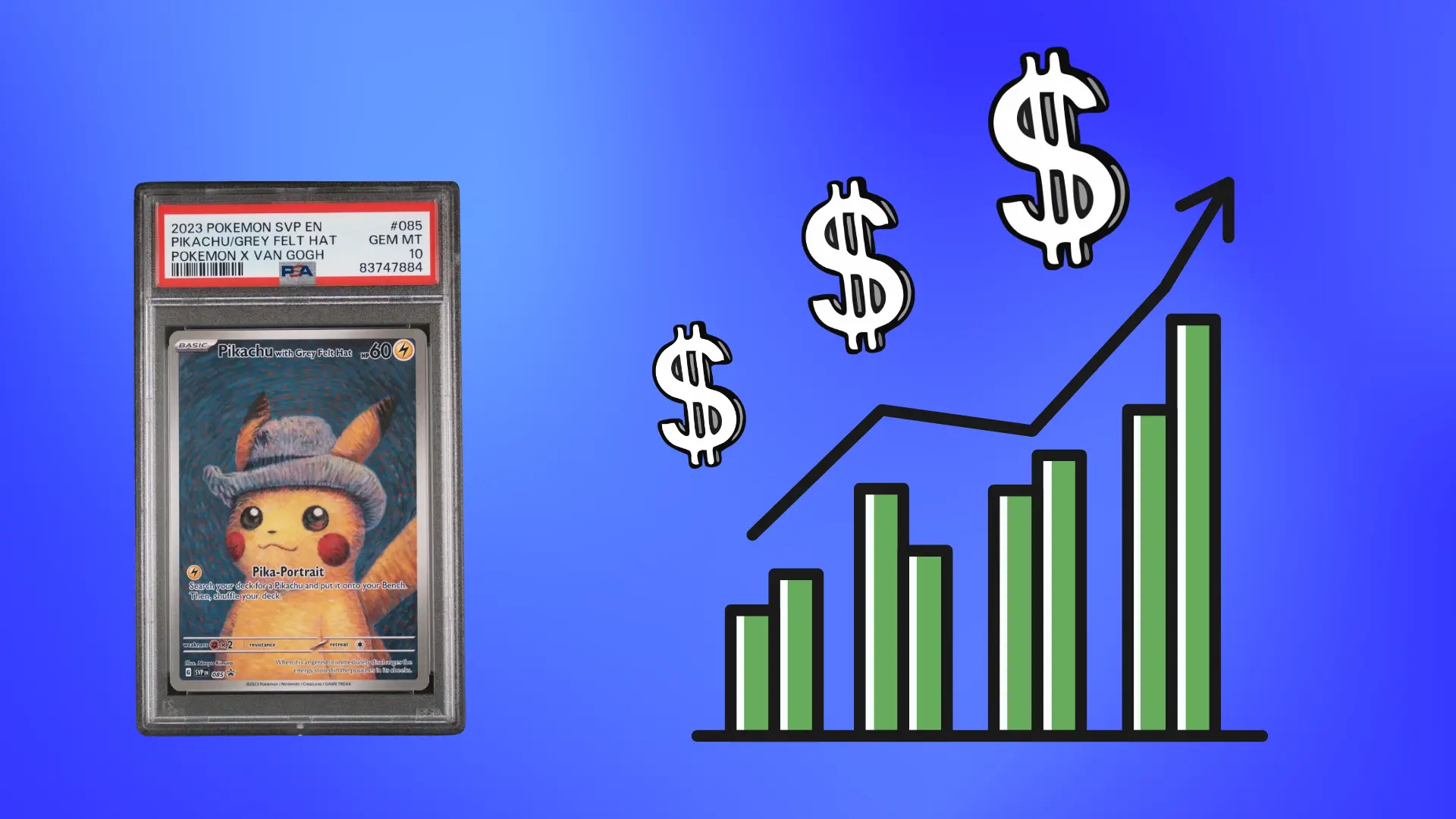
Grading can have a major impact on a Pokémon card’s value – but it isn’t always positive. The difference between an ungraded card and a graded one comes down to trust, scarcity, and consistency.
A graded card removes uncertainty for buyers. Instead of relying on seller descriptions or photos, buyers know exactly what condition they’re getting. That confidence often translates into higher prices, especially for cards graded by well-known companies like PSA. When selling, providing a grading report together with HD scans of the cards reassures customers and potential buyers about the card’s authenticity and condition.
The biggest value jumps usually happen at the top end of the scale. A PSA 10 can be worth several times more than the same card in PSA 9, even though the physical differences may be subtle. Lower grades may still increase value compared to raw cards, but the premium is often much smaller.
Grading also improves liquidity. Graded cards are easier to sell, easier to compare, and more attractive to serious collectors. However, if a card grades lower than expected, its value can end up close to – or even below – what it was ungraded once grading fees are factored in.
In short, grading amplifies a card’s condition. High-quality cards benefit the most, while average or damaged cards often see little financial upside. Understanding that relationship is key to grading smart rather than grading everything.
Grading Pokémon Cards the Smart Way

Grading Pokémon cards works best when it’s treated as a tool, not a guarantee. A high grade can add value, protection, and credibility – but only when the card itself justifies the process. Rushing to grade everything usually leads to disappointment.
The smartest approach is selective. Focus on cards that combine strong demand with strong condition, and take the time to evaluate them honestly before submitting. Understanding how centering, surface, edges, and corners work together will do more for your results than chasing hype or trends.
Patience also matters. Turnaround times, market shifts, and grading standards all affect outcomes. Collectors who think long-term – and grade with purpose rather than impulse – tend to get the most out of the process.
In the end, grading should support your goals as a collector or seller, not replace them. When done thoughtfully, it helps protect value and makes the hobby more enjoyable.
Frequently Asked Questions About Grading Pokémon Cards

What Pokémon cards are worth grading?
Cards that are usually worth grading include vintage cards, rare promos, low-population cards, and modern chase cards in excellent condition. If a card has strong demand and could realistically grade high, it’s a better candidate than common or heavily printed cards.
How much does it cost to grade a Pokémon card?
Grading costs vary by company, service level, and turnaround time. Fees can range from relatively affordable options to premium services that cost significantly more. Shipping and insurance should also be factored into the total cost.
Can I grade Pokémon cards myself?
You can assess a card’s condition at home, but self-grading isn’t official. Only third-party grading companies can assign a recognized grade that affects market value. At-home grading is best used to decide whether submitting a card makes sense.
How long does Pokémon card grading take?
Turnaround times depend on the grading company and service tier you choose. Some services take weeks, while others can take several months during busy periods. Faster options usually cost more.
Do graded Pokémon cards always increase in value?
No. Grading only increases value when the card grades well enough to justify the cost. Cards that receive lower-than-expected grades may see little to no value increase once fees are considered.