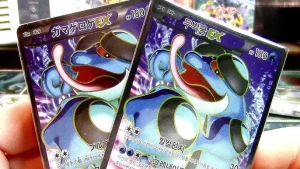
Japanese Pokémon cards are often assumed to be worth more – and in some cases, that assumption is justified. Many collectors store their higher-end cards carefully in a pokemon binder or sleeve them immediately, pointing to cleaner print quality, exclusive releases, and lower print runs as reasons Japanese cards can hold more value than their English counterparts. But value in the Pokémon market isn’t that simple. The short answer is that whether Japanese Pokémon cards are worth more depends on several factors, and there is no one-size-fits-all response.
Part of the confusion comes from how Japanese and English cards enter the market. Japanese sets are released earlier, printed differently, and sometimes distributed in ways that don’t exist outside Japan. That can create real scarcity – or the illusion of it – depending on the card. This article will explore when Japanese cards can be worth more money than English ones.
The truth is that some Japanese Pokémon cards are worth significantly more, while others are worth less than the English version of the same card. Understanding why requires looking beyond language and into demand, grading, and collector behavior. To help clarify these differences, we’ll provide price comparisons between Japanese and English cards throughout the article.
Ultimately, values fluctuate based on rarity, demand, print runs, and regional differences, so the worth of Pokémon cards can change over time.
Introduction to Pokémon Card Collecting

Pokémon card collecting has captivated fans around the world for decades, offering a blend of nostalgia, strategy, and the thrill of the hunt. Many collectors are drawn to the hobby by the excitement of finding rare cards, building complete sets, or simply enjoying the stunning artwork featured on each card. With so many different types of Pokémon cards available, from standard releases to limited edition promos, there’s always something new to discover.
In recent years, the spotlight has increasingly turned to Japanese Pokémon cards. These cards, often found in Japanese booster boxes, have become especially popular among collectors for several reasons. Japanese cards frequently debut before their English counterparts, giving collectors access to earlier releases and sometimes even exclusive artwork that never appears in English sets. This has led many collectors to wonder: are Japanese Pokémon cards worth more than English cards? The answer isn’t straightforward, but understanding the unique qualities of Japanese cards is the first step in appreciating their place in the Pokémon card market.
Are Japanese Pokémon Cards Actually Worth More?

Sometimes – but not by default. Japanese Pokémon cards can be worth more than English cards, but only in specific situations. Language alone doesn’t determine value. Demand, scarcity, and collector preference do.
In cases where a Japanese card has a smaller print run, better condition consistency, or an exclusive release, it can outperform the English version by a wide margin. This is especially true for Japan-only promos, early releases, and certain vintage cards that were distributed through limited events or magazines. In many cases, the Japanese counterpart of a card can be significantly more valuable than its English version due to these factors. As an extreme example, the 1998 Pikachu Illustrator card, which was only released in Japan, has sold for record-breaking prices far exceeding any English Pokémon card.
On the other hand, many English cards are worth more simply because the English-speaking market is larger. Higher demand means higher prices, even when the card quality isn’t quite as strong. Iconic chase cards, nostalgia-driven sets, and widely recognized English releases often outsell their Japanese equivalents.
The most important thing to understand is that value is card-specific, not language-specific. Two versions of the same card can have very different prices depending on how many exist, how easy they are to grade highly, and how many collectors actively want them. Assuming Japanese automatically means more valuable is one of the most common – and costly – mistakes new collectors make.
Why Japanese Pokémon Cards Can Be More Valuable
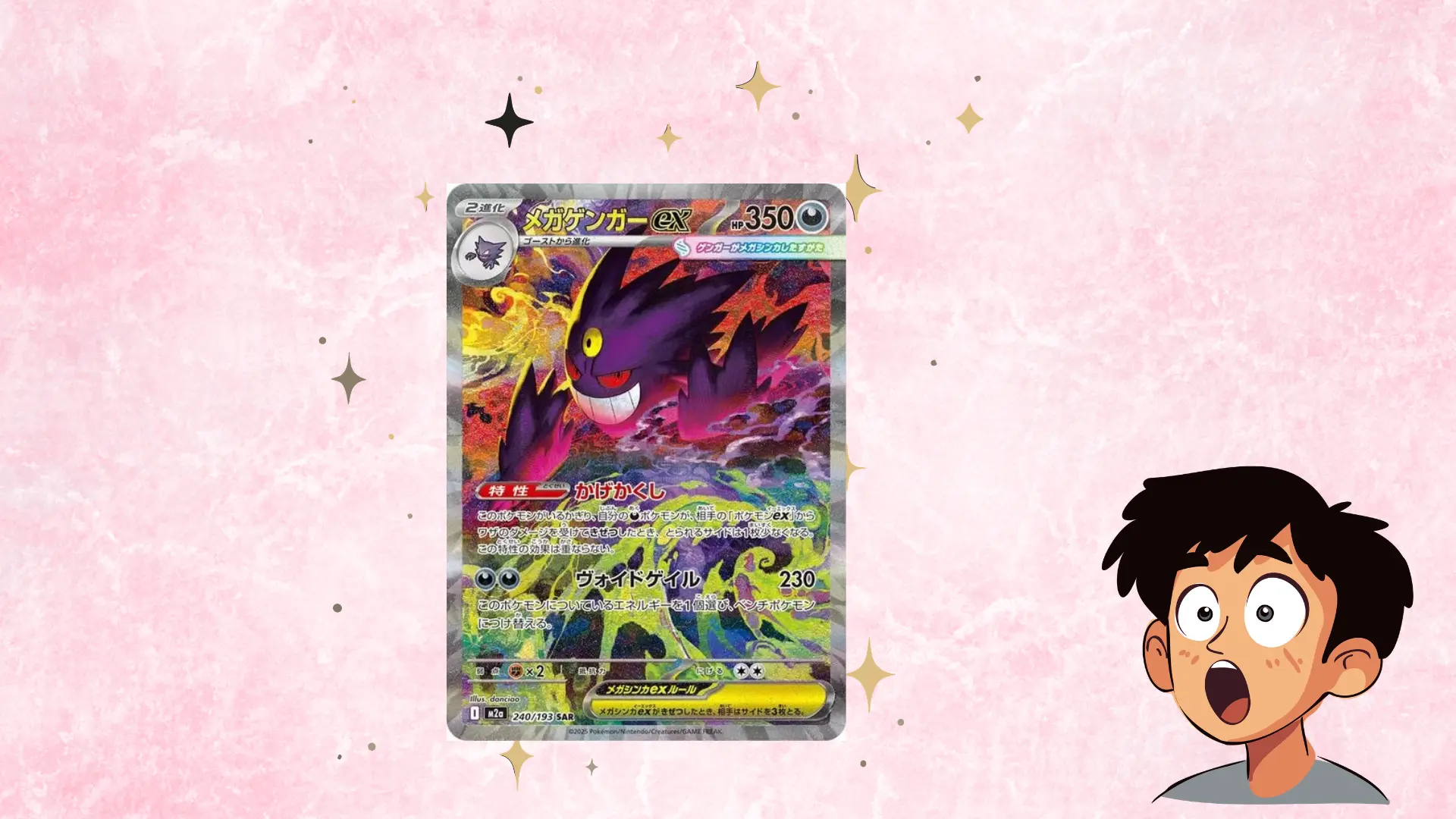
When Japanese Pokémon cards are worth more, it’s usually because of a combination of factors – not just where they were printed. Understanding these differences helps explain why certain Japanese cards consistently outperform their English counterparts. Japanese cards offer unique qualities such as exclusive releases, superior print quality, and distinct artwork, making them especially appealing to collectors seeking rarity and visual uniqueness.
Smaller Print Runs
Japanese sets are often printed in lower quantities than English sets. Many Japanese cards are released in limited quantities, making them scarcer and more sought after by collectors. Fewer cards in circulation can create real scarcity over time, especially for older sets or limited releases. When demand remains strong, lower supply naturally pushes prices higher.
Better Print Quality
Japanese Pokémon cards are widely regarded as having higher print quality. Thicker cardstock, cleaner edges, and sharper surfaces mean fewer factory flaws. As a result, Japanese cards tend to grade higher on average, which can significantly impact value in the graded market. This superior quality often leads to better grading and resale value, as collectors are willing to pay more for cards that are likely to receive high grades from professional grading services.
Because of this, Japanese cards are more likely to achieve a perfect grade, such as PSA 10, which greatly increases their worth, especially for rare or limited-edition cards. Additionally, cards in near mint condition are highly sought after, and Japanese cards’ consistent quality makes it easier for collectors to find cards in this desirable state, further boosting their value.
Earlier Release Dates
Japanese sets typically release months before their English versions. For collectors, this gives Japanese cards a first-appearance appeal. Japanese boxes allow collectors to access new cards earlier than in other markets, making them especially attractive for those seeking the latest releases. Early print runs and original artwork versions often carry extra prestige, particularly for popular Pokémon.
Exclusive Cards and Promos
Some of the most valuable Pokémon cards ever made were released only in Japan. Tournament prizes, magazine promos, lottery cards, and event exclusives never receive English versions. Pokémon Center exclusives, which are Japan-only promos, are especially sought after by collectors for their rarity and unique artwork. Some Japanese exclusive products never receive English reprints, making them even more desirable and valuable. Special art rares in Japanese sets are also known for their higher value and exclusivity, often due to limited distribution and collector demand. These cards attract global demand while remaining permanently scarce, which is why they often command premium prices.
These factors don’t apply to every Japanese card – but when they align, they can make certain Japanese releases far more valuable than their English equivalents.
When English Pokémon Cards Are Worth More
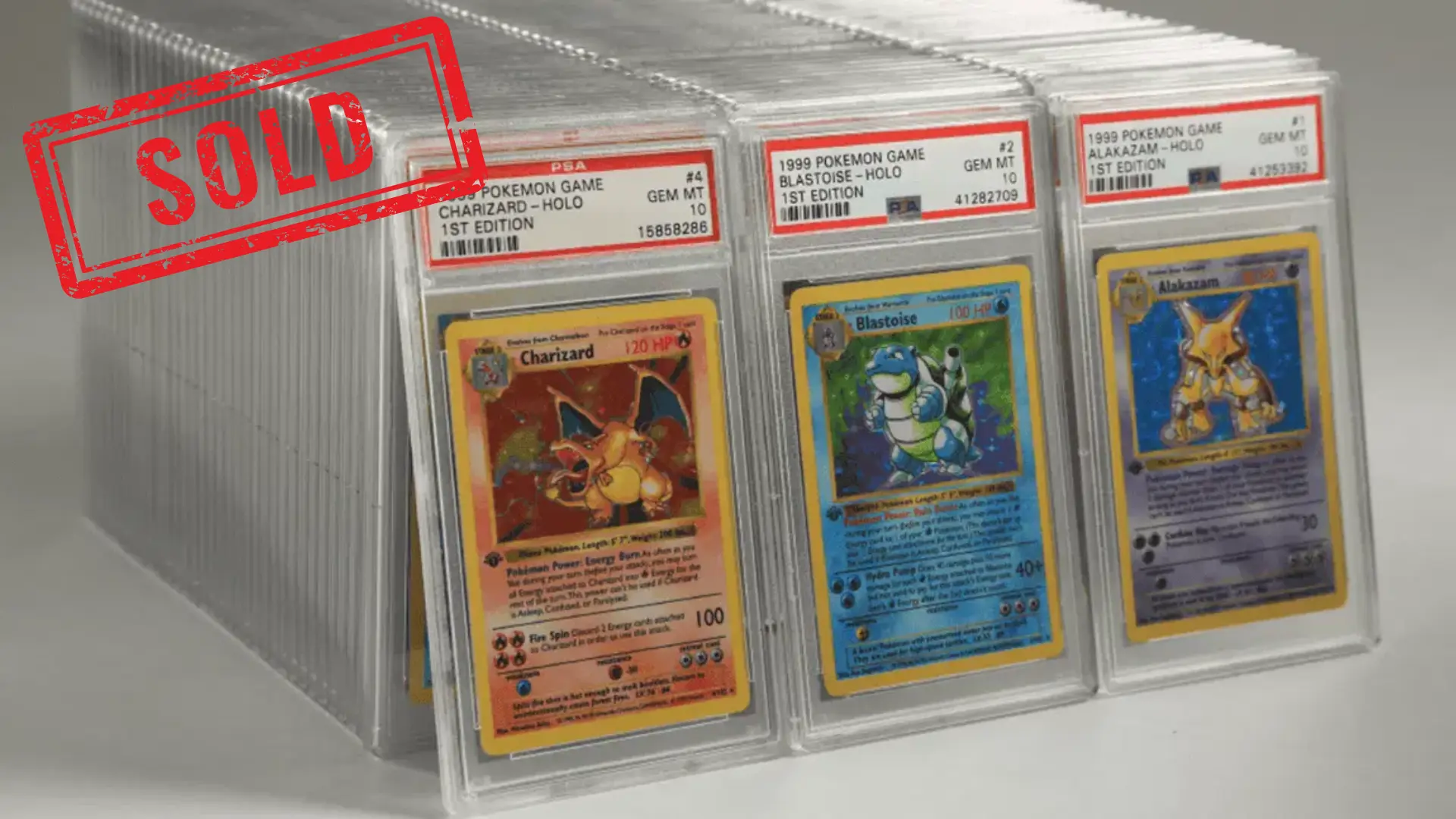
Despite the advantages Japanese cards sometimes have, English Pokémon cards often outperform them in value. The main reason is market size. The English-speaking collector base is significantly larger, which drives higher demand for many iconic cards.
Nostalgia plays a major role here. Many collectors are drawn to the versions they grew up with, and for a large portion of the market, that means English cards. Older English sets with yellow borders are especially nostalgic, as these yellow borders are a distinguishing feature that many collectors remember from their childhood. Popular chase cards from well-known English sets often sell for more simply because more people want them.
Grading also affects this dynamic. PSA population reports frequently show higher demand – and higher premiums – for English PSA 10s, even when Japanese versions grade more easily. A harder-to-achieve English PSA 10 can feel more exclusive, which boosts its value.
Finally, liquidity matters. English cards are generally easier to sell quickly, especially in Western markets. That ease of resale makes them more attractive to investors and sellers, sometimes pushing their prices above Japanese equivalents even when the Japanese cards are technically rarer.
Grading Differences Between Japanese and English Cards

One of the biggest factors affecting value between Japanese and English Pokémon cards is how they grade. Japanese cards are widely known for their superior print quality, which often gives them an advantage during the grading process. In comparison, English prints are noted for their sturdiness but often have less vibrant colors, occasional quality issues, and tend to receive lower grades due to less consistent centering and finish.
Because Japanese cards tend to have better centering, cleaner edges, and fewer surface issues straight out of the pack, they frequently achieve higher grades. PSA 10s are more common for Japanese cards, which can make high-grade examples easier to find compared to English versions of the same card.
That said, higher grades don’t always mean higher prices. Scarcity still matters. An English card that’s difficult to grade well can carry a larger premium because fewer high-grade copies exist. In some cases, a PSA 9 English card may sell for more than a PSA 10 Japanese card simply due to demand and perceived difficulty.
Grading highlights the core difference between the two markets. Japanese cards often excel in condition, while English cards often win on demand. Understanding how those forces interact is key to knowing which version will hold more value in the long run.
Japanese vs English Pokémon Cards: Value Comparison Examples

Looking at real-world patterns helps make the differences clearer. While prices change constantly, certain trends show up again and again when comparing Japanese and English cards.
Vintage holos are a good example. Japanese vintage cards often have cleaner surfaces and higher average grades, but iconic English versions – especially first-edition or early-set cards – can sell for more due to nostalgia and broader demand. However, some of the most expensive Pokémon cards ever sold are Japanese exclusives, such as the Pikachu Illustrator, which highlights the legendary status of certain Japanese cards among collectors.
With modern chase cards, Japanese versions frequently grade higher and reach the market earlier. Early PSA 10 Japanese copies can command strong prices at release, but English versions often catch up or surpass them once demand peaks in the global market. Modern cards in both Japanese and English can be highly collectible, with Japanese modern cards sometimes being more valuable due to exclusivity and production quality.
Promo cards are where Japanese releases truly stand out. Japan-only promos tied to events, tournaments, or limited campaigns often have no English equivalent. These cards attract international buyers and can be worth significantly more than standard set cards in either language. For many collectors, highly sought-after Japanese promos are considered grail cards, representing the pinnacle of their collections.
For widely available set cards, the value difference is often minimal. In many cases, English and Japanese versions trade places depending on grading populations, timing, and collector trends rather than inherent superiority. Collectors appreciate set cards in both English and Japanese for their unique features and appeal. There are notable differences between Pokémon cards in English and Japanese, such as card stock, print quality, and release timing, which can influence collector preferences. Alternate art cards in Japanese sets are especially valued for their exclusivity and unique artwork, often making them more desirable. Some Japanese set cards are among the most expensive Pokémon cards due to their rarity and demand. Many Japanese Pokémon cards, especially rare or promotional ones, hold significant value and variety, contributing to their strong presence in the high-end market.
The key takeaway is that value shifts by category. Some cards favor Japanese releases, others favor English – and many sit somewhere in the middle. Comparing cards within their specific context matters far more than comparing languages in isolation.
The Card Game: How Japanese and English Cards Fit In

The Pokémon Trading Card Game (PTCG) is more than just a collector’s hobby-it’s a dynamic card game where players build decks and compete in strategic battles. Both Japanese and English cards are integral to the game, but there are notable differences in how they’re released and collected. Japanese cards often hit the market months before their English counterparts, giving Japanese collectors and players an early advantage in deck building and strategy.
Beyond timing, Japanese cards sometimes feature exclusive artwork or are released only in Japan, making them highly desirable for collectors worldwide. These Japanese exclusive cards, such as the legendary Pikachu Illustrator card, have become some of the most sought-after items in the Pokémon card market. The combination of unique designs, earlier access, and Japan-only releases means that Japanese cards often hold a special place in both the trading card game and the broader collector community. Whether you’re a player looking for the latest strategies or a collector chasing rare cards, understanding the differences between Japanese and English cards can help you navigate the ever-evolving Pokémon card game landscape.
Competitive Play and Tournament Legality

When it comes to competitive play in the Pokémon TCG, the choice between Japanese and English cards can make a difference. English cards are generally the standard for most official tournaments, especially in English-speaking regions, due to their widespread availability and clear tournament legality. However, Japanese Pokémon cards are still prized by many collectors and players for their superior print quality, unique artwork, and exclusive releases.
Some tournaments do allow the use of Japanese cards, provided they are accompanied by an official English translation or the card exists in an English set. For players who appreciate the aesthetics and earlier release dates of Japanese cards, this can be a way to stand out at the table. Ultimately, whether you choose Japanese or English cards for competitive play depends on your personal preferences and the specific rules of the tournament. Many collectors value Japanese cards not just for playability, but for their craftsmanship and the prestige of owning exclusive releases.
Market Demand: What Drives Value?

The value of Pokémon cards is shaped by market demand, which can shift rapidly based on trends, new releases, and collector interest. Japanese Pokémon cards, in particular, have seen surging demand thanks to their rarity, exclusive releases, and the allure of owning something not easily found outside Japan. Many collectors are drawn to Japanese exclusive cards and Japanese booster packs, which often contain rare cards with unique artwork or special features.
Scarcity is a major driver of value-cards that are hard to find, have low pull rates, or are in near mint or mint condition can command premium prices. Japanese booster packs are especially popular among collectors hoping to pull rare cards that may never appear in English sets. As a result, some Japanese Pokémon cards have sold for thousands of dollars on the secondary market, especially when they are exclusive, in pristine condition, or part of a limited release. For collectors, understanding what drives market demand is key to making smart decisions and building a valuable collection.
Are Japanese Pokémon Cards a Better Investment?

Japanese Pokémon cards can be a strong investment – but only if you understand why you’re buying them. They tend to reward collectors who focus on rarity, exclusivity, and long-term scarcity rather than quick flips.
Japan-only promos, low-print releases, and early print runs often hold value well over time because supply is permanently limited. These cards appeal to serious collectors worldwide, which helps stabilize demand even when broader market trends cool.
That said, liquidity can be a challenge. English cards are usually easier to sell quickly, especially in Western markets. Japanese cards may take longer to move unless the card is particularly desirable or well-known. For investors, that slower turnover can matter. However, for certain rare or limited-edition cards, the japanese ones can actually command higher prices than their English counterparts due to unique artwork or exclusivity.
Ultimately, Japanese cards work best as a long-term hold, not a short-term play. Collectors who do the research, understand grading populations, and buy with patience tend to benefit the most. Without that groundwork, assuming Japanese automatically means “better investment” can lead to disappointing results.
Common Myths About Japanese Pokémon Card Value

One of the biggest myths is that Japanese Pokémon cards are always worth more. While some Japanese cards command premium prices, many are worth the same – or less – than their English counterparts. In fact, many Japanese Pokémon cards are not necessarily more valuable, as their worth depends on factors like rarity, demand, and exclusivity. Value depends on demand, not language.
Another common misconception is that Japanese cards are rarer by default. Lower print runs do exist, but not every Japanese card is scarce. Modern Japanese sets are still mass-produced, and availability can be higher than people expect, especially shortly after release.
There’s also the belief that better print quality automatically means higher value. While cleaner cards do grade better, higher grades don’t always translate to higher prices. A Japanese PSA 10 can be less valuable than an English PSA 9 if demand favors the English version.
Finally, some collectors assume English cards are the only ones that matter. That’s equally untrue. The global Pokémon market values both, and many of the hobby’s most sought-after cards are Japanese exclusives. The key is understanding which cards matter – not choosing a side.
FAQs About Pokémon Card Collecting

Are Japanese Pokémon cards worth more than English ones?
The value of Japanese Pokémon cards compared to English ones depends on several factors, including rarity, condition, and market demand. Some Japanese cards, especially exclusives and early releases, can be worth more, while others may be valued less than their English counterparts.
What makes Japanese Pokémon cards unique?
Japanese Pokémon cards often feature exclusive artwork, are released earlier than English cards, and may have different rarity symbols or card borders. These unique characteristics make them especially desirable to collectors seeking rare and exclusive cards.
Can I use Japanese cards in competitive play?
Yes, Japanese cards can be used in certain tournaments, but it’s important to check the specific tournament rules. English cards are usually preferred for their wider availability and clear legality, but Japanese cards are still a popular choice for their print quality and unique releases.
How do I determine the value of my Pokémon cards?
To determine the value of your Pokémon cards, research recent sales on online marketplaces like TCGPlayer or eBay, and consult with other collectors or professionals. Factors such as rarity, condition (especially near mint or mint), and demand all play a role, with Japanese exclusive cards often commanding higher prices.
Are Japanese booster packs worth buying?
Japanese booster packs can be a great investment for collectors looking for exclusive cards and earlier releases. While they may be more expensive than English booster packs, their unique contents and the potential for rare pulls make them highly sought after, especially when market demand for Japanese Pokémon cards is high. Ultimately, whether they’re worth buying depends on your collecting goals and budget.
So, Are Japanese Pokémon Cards Worth More?

Sometimes – but not universally. Japanese Pokémon cards can be worth more when scarcity, exclusivity, and collector demand line up in their favor. In other cases, English cards outperform them due to nostalgia, market size, and resale liquidity.
The biggest mistake collectors make is treating language as a shortcut to value. What actually matters is the specific card: how many exist, how well it grades, and how many people actively want it. Two versions of the same card can have very different price trajectories for perfectly logical reasons.
For collectors, the smartest approach is research over assumptions. Look at recent sales, grading populations, and long-term demand before deciding which version to buy or grade. When you do that, Japanese and English cards stop competing – and start making sense in their own contexts.