Top Binders for Pokémon Cards

1. BindSafe Premium Binder – Best Overal
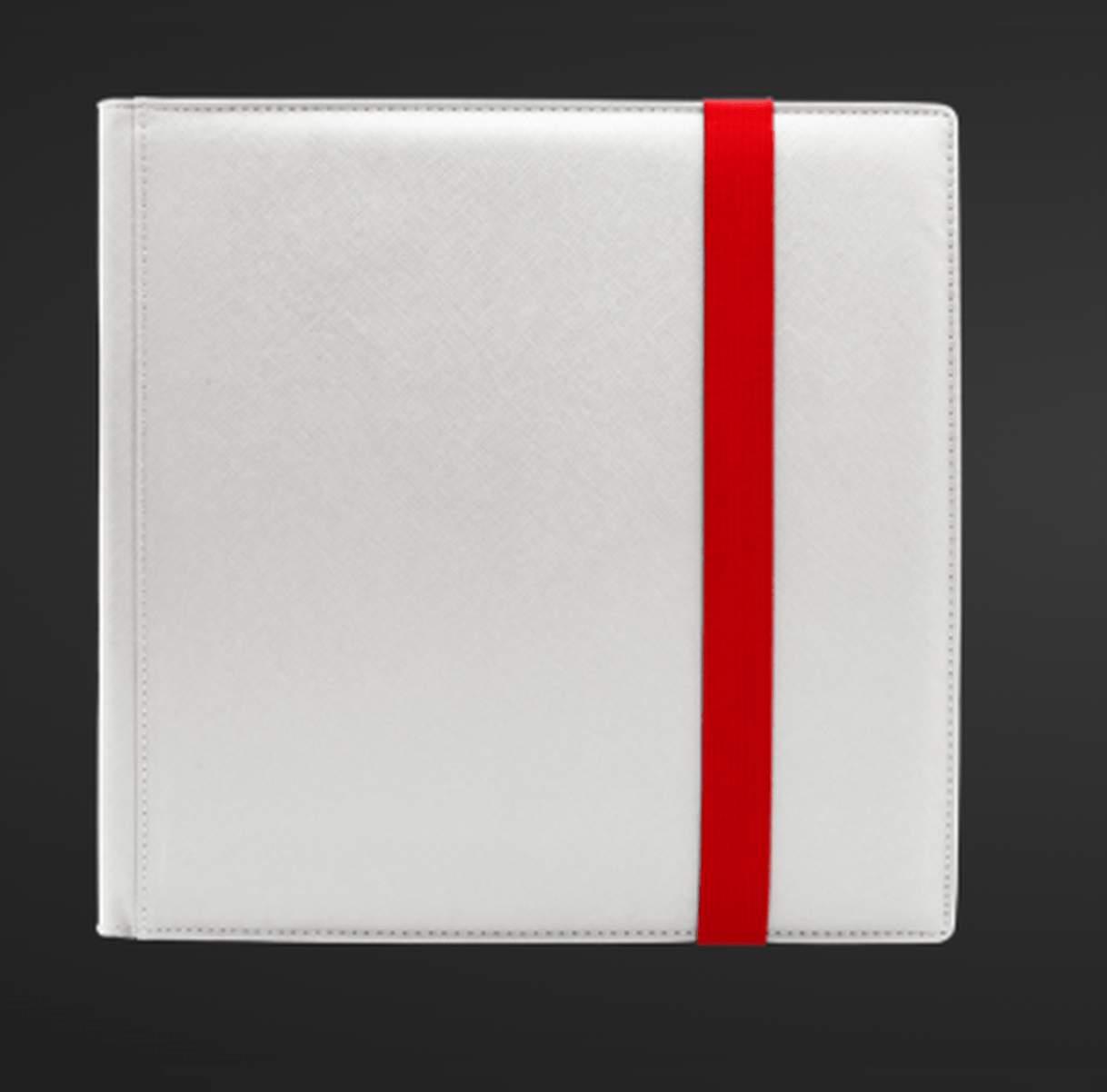
BindSafe has quickly become a fan favourite among Pokémon collectors, and for good reason. Designed specifically for graded and ungraded cards, this Pokemon Card binder features rigid pages, zipper enclosure, and acid-free materials to keep your most valuable pulls super safe.
Why we love it:
- Side-loading pages with anti-slip design
- Durable PU leather cover with water-resistant protection and excellent quality build
- Sleek, minimal aesthetic that fits any collection
- Trusted by competitive players and investors alike
Whether you’re storing shiny Charizards or vintage holos, BindSafe is a fantastic choice for collectors and gets top marks for combining style and substance.
2. Vault X Premium eXo-Tec Zip Binder
A staple in the community, Vault X offers a reliable zipper binder with reinforced stitching, padded covers, and archival-safe pages. Great for both casual and hardcore collectors.
- Side-loading 9-pocket pages
- Padded PU leather cover
- High-quality zippers provide extra protection against dust and card damage
- Acid-free and PVC-free for long-term protection

3. Ultimate Guard Zipfolio Xenoskin
Sleek and solid, Ultimate Guard’s Zipfolio line is a high end option featuring textured exteriors and crystal-clear card pockets. It’s a favourite among TCG players for its durability and clean layout.
- Reinforced zipper seal
- Rigid cover for protection on the go
- Excellent for tournament use
When compared to other high end brands like Dragon Shield, Ultimate Guard stands out for its premium materials and reliable construction, making it a top choice for serious collectors seeking the best protection for their valuable cards.

4. TopDeck 500 Card Binder
TopDeck offers one of the highest capacity binders without compromising on build quality, and it provides a little more room for large collections. If you’re looking to store large parts of your collection in one place, this is a great option.
- Holds up to 500 cards
- Side-loading pages
- Water-resistant and shockproof exterior
- Due to its high capacity, the binder’s weight can be significant when fully loaded

5. Dex Protection Binder
Known for bold colourways, a soft-touch finish, and excellent functionality, Dex Protection binders are perfect for collectors who want a mix of flair and function.
- Multiple size options (2×2, 4×4, 9-pocket)
- Microfiber interior lining
- Sturdy zipper enclosure
Compared to other binders, Dex Protection stands out for its superior design and protection features, making it a top choice for card collectors.
Why You Need a Good Binder
If you’re serious about collecting Pokémon cards, a high-quality binder isn’t just a nice-to-have — it’s a must. Whether you’re building a competitive deck, holding onto rare vintage holos, or protecting modern alt-art pulls, how you store your cards can make a huge difference in their condition and long-term value. Some binders use cardboard covers for extra durability, which helps prevent warping and bending.
A good binder protects your cards from physical damage like bending, scratches, or scuffs that happen easily during casual handling. It also keeps your collection safe from exposure to sunlight and humidity, both of which can cause cards to fade or warp over time.
Personally, I find that binders with sturdy covers and secure pockets offer the best balance between protection and ease of use. Binders also help keep your collection organised. With pocketed pages, it’s easy to sort by set, type, rarity, or personal favourites. That’s especially helpful when you’re trying to complete sets or showcase your best pulls.
Lastly, if you ever decide to sell or trade cards, having them stored neatly in a professional binder gives buyers confidence. While some collectors opt for cheaper options, investing in quality pays off. A well-presented collection shows you’ve looked after your cards — and that can help you command higher prices.
What to Look For in a Binder
Not all Pokémon card binders are created equal. Whether you’re protecting rare collectibles or building out a set, the right binder makes a big difference in both presentation and preservation.
Here are the key features to look for when choosing a binder:
- Side-loading pockets – These are far less likely to let cards slip out compared to top-loading pages. They also reduce the chance of dust or dirt getting inside.
- Durable materials – A quality binder should feel sturdy. Look for options with padded covers, reinforced stitching, and rigid inner boards that prevent bending.
- Archival-safe and PVC-free pages – Always choose acid-free, PVC-free materials to avoid chemical damage to your cards over time.
- Zipper or magnetic closure – This added layer of protection keeps your cards secure, especially when travelling.
- Page capacity and layout – Consider how many cards you want to store. Most binders come with 9-pocket binder pages, but some offer 4-pocket or 12-pocket formats. Pay attention to card pages that lay flat and protect cards from warping or damage during storage and handling. Make sure it fits your needs.
- D ring binders – D ring binders are a popular option for card collectors. They allow pages to turn more easily and reduce page arching, but may be bulkier than other styles. Consider the pros and cons for your collection.
- Design and branding – While less critical, a binder that looks good and reflects your style can make collecting feel even more satisfying. Many collectors also look for sleeves that match the binder’s size and style for a cohesive look.
Choosing the right binder isn’t just about storage — it’s about protecting your investment and making your collection shine.
Binder vs Storage Box
When it comes to storing Pokémon cards, collectors are often torn between binders and storage boxes. Both have their place — but they serve different purposes.
Binders are ideal for display and organisation. They allow you to flip through your collection easily, admire your best pulls, and sort cards by set, type, or rarity. Binders also provide quick access, making them perfect for active collectors or traders who want to show off their collection without digging through piles of cards.

| Feature | Binder | Storage Box |
|---|---|---|
| Best for | Display, organisation | Bulk storage, transport |
| Access | Easy to flip through | Slower, less visual |
| Protection | High (with good materials) | Moderate, varies by box type |
| Capacity | Lower (hundreds of cards) | Higher (thousands of cards) |
| Aesthetic appeal | High – great for showcasing | Low – more functional |
For most collectors, the best solution is a combination: putting your most valuable or favourite cards in binders, and stacking storage boxes for everything else.
Storage & Maintenance Tips
Once you’ve chosen the right binder, proper storage and maintenance will keep your Pokémon cards in pristine condition for years to come.
1. Store your binder upright Just like books, binders should be stored vertically on a shelf. This helps prevent cards from warping or bending under pressure over time.
2. Avoid direct sunlight UV rays can cause cards to fade — even when they’re inside a binder. Always keep your binder in a shaded or dark area to preserve card colour and condition.
3. Control humidity Excess moisture can lead to curling, warping, or even mould. Store your binder in a cool, dry place, and consider using silica gel packs to help absorb excess humidity.
4. Handle with clean hands Oils and dirt from your fingers can slowly damage cards. Before flipping through your binder, wash your hands or wear clean gloves if you’re dealing with high-value cards.
5. Double sleeve high-value cards For extra protection, especially for cards destined for grading or long-term storage, consider double sleeving. Place your card in a primary sleeve, then add a second sleeve over it to help prevent wear, bending, and whitening.
6. Don’t overfill Cramming too many cards into one binder can put pressure on the pages and damage the cards. Stick to the binder’s intended capacity and upgrade to a second binder if needed.
7. Zip it shut If your binder has a zipper or magnetic closure, always secure it when not in use. It helps prevent dust, accidental spills, and unexpected falls.
A little care goes a long way. Protecting your collection now ensures it holds its value — and keeps looking amazing — long into the future. Periodically review your storage and maintenance practices to make sure your cards remain in the best possible condition.
Card Handling Best Practices
Proper card handling is the foundation of keeping your Pokémon cards in pristine condition and preserving their value for years to come. Whether you’re adding a new pull to your binder or preparing high value cards for long term storage, following a few simple steps can make all the difference.
Always handle your cards by the edges to avoid transferring oils or dirt from your fingers onto the card surface. Even a small smudge can impact the value of rare cards. For added protection, use penny sleeves—these thin, affordable sleeves are perfect for slipping over individual cards before storing them in a binder. If you’re dealing with especially valuable or collectible cards, consider double sleeving: place the card in a penny sleeve first, then insert it into a top loader or a second, more rigid sleeve. This method is highly recommended for high value cards and is a standard among serious collectors.
When loading cards into your binder, gently slide each card into the pocket from the side, taking care not to bend or force it. Never store two cards in one binder slot, as this can cause pressure marks, scratches, or even permanent bending. Each card deserves its own sleeve and pocket to ensure maximum protection.
Regular maintenance is also key. Over time, even the best penny sleeves can accumulate dust or lose their clarity, so it’s wise to replace them every couple of years—especially for cards you plan to store long term. Periodically check your storage conditions to ensure your cards remain safe from moisture and other environmental hazards.
By following these best practices, you’ll keep your Pokémon cards looking their best, whether you’re storing them in one binder or managing a growing collection across multiple binders and top loaders.
How to Organise Your Binder
A well-organised binder doesn’t just look good — it helps you find cards faster, track your collection’s value, and even impress fellow collectors. Choosing the right binder pages is essential for keeping your cards protected and organized, as different styles offer varying levels of durability and accessibility. Whether you’re a casual fan or building toward a master set, here are the best ways to organise your Pokémon binder:

Sort by Set
The most popular method is sorting by set. This approach follows the order cards appear in official sets like Base Set, Evolving Skies, or Scarlet & Violet. You can use checklists from Pokéllector or TCGPlayer to track and slot cards in numerical order. This is ideal for set collectors or those chasing completion goals.
Sort by Rarity
If you’re more interested in flexing your collection, sorting by rarity can be more fun. Keep all your Ultra Rares, Full Arts, Secret Rares, and Trainer Galleries together, grouped by card type or colour. This format highlights your most valuable cards and gives your binder a showcase vibe.
Sort by Pokémon Type
Organising by type — such as Fire, Water, Psychic, or Dragon — is another clean and visually satisfying method. This works especially well for themed decks or if you’re focused on one or two types across different generations.
Use Dividers
Binder dividers help separate sections cleanly. You can use:
- Plastic card-size index dividers
- DIY printed cardstock tabs with Pokémon energy symbols
- Coloured sticky tabs for temporary setups
Some collectors use page markers to indicate where a missing card should go, making it easier to spot what’s still needed.
Label Each Section
If your binder has a large enough spine or internal pockets, consider adding:
- Set symbols or logos for quick ID
- Date ranges (e.g. “XY Era: 2014–2016”)
- Custom labels for categories like “Duplicates,” “Trades,” or “Graded Cards To Send”
Bonus Tip: Don’t Overfill Pages
To keep your cards safe, avoid stuffing more than 18 cards per side (or 9 per side in single-pocket formats). Overfilled pages can warp or press against the binder’s spine.
Storage Environment Essentials
The environment where you store your Pokémon cards is just as important as the binder or sleeves you use. Even the best binders can’t fully protect your collection if the surrounding conditions aren’t right. To maintain the value and condition of your cards, pay close attention to humidity, temperature, and lighting in your storage area.
Humidity Control
Humidity is a silent threat to any Pokémon card collection. Too much moisture in the air can cause cards to warp, stick together, or even develop mold, while air that’s too dry can make cards brittle and prone to cracking. The ideal environment for storing cards is one with a relative humidity between 40% and 60%. Using a dehumidifier or humidifier can help you maintain this balance, especially in basements or attics where conditions can fluctuate.
Choosing acid free materials for your binders and storage pages is another layer of protection against humidity-related damage. VaultX binders, for example, are designed with acid free, archival-safe pages that help protect your cards from environmental threats. Always store cards in binders that are specifically made for collectibles, and avoid makeshift solutions that might not offer the same level of protection.
Temperature Control
Temperature swings can be just as damaging as humidity. Extreme heat can cause cards to warp or the ink to fade, while cold can make them brittle and more susceptible to cracking. For best results, store cards in a room where the temperature stays between 65°F and 75°F (18°C and 24°C). Avoid placing your binders near heating vents, radiators, or air conditioning units, as these can create hot or cold spots that stress your cards over time.
If you’re storing cards for the long haul, consistency is key. A stable environment helps ensure your Pokémon cards remain in top condition, whether they’re in a display binder or tucked away for future generations.
Lighting Control
Light exposure, especially from direct sunlight, is a major cause of fading and discoloration in Pokémon cards. To keep your collection looking vibrant, always store cards in a dark or low-light environment. If your storage area has windows, consider using UV-filtering curtains or blinds to block harmful rays.
When choosing a binder, opt for one with a sturdy, opaque cover and acid free pages—like a VaultX binder—to shield your cards from light. Avoid using ring binders or zip binders with transparent covers, as these can let in more light and increase the risk of fading. Storing your binders on a shelf away from direct sunlight is a simple but effective way to protect your collection.
By controlling humidity, temperature, and lighting, you’ll create the perfect environment to store and protect your Pokémon cards, ensuring they retain their value and appeal for years to come.
Common Mistakes & Brands to Avoid
Not all binders are created equal — and choosing the wrong one can put your Pokémon collection at serious risk. Based on collector feedback and years of user reviews, here are the most common mistakes to avoid and a few brands that often fall short.
❌ Choosing a Ring Binder
Ring binders are one of the most common traps for new collectors. While they might seem convenient, the metal rings can:
- Pinch and bend cards near the spine
- Cause pages to tear over time
- Leave your cards vulnerable during transport, as rings often pop open with rough handling
For long-term storage and protection, zip-up binders with built-in pages are a far better choice.
❌ Using Cheap Plastic Sleeves
Low-cost plastic pages might save money upfront, but they can yellow, warp, or crack with time. Worse still, some contain PVC, which can chemically damage cards over the long term.
Always look for binders that are PVC-free and acid-free, ideally with archival-grade materials.
❌ Overstuffing Your Binder
Trying to fit too many cards into a single binder can stretch the cover, warp pages, and press cards too tightly together. This not only looks messy but can flatten edges and damage foil cards.
If you’re running out of space, it’s time to invest in a second binder.
❌ Ignoring User Reviews
Brands that look sleek in photos might fall apart in real life. Common complaints from collectors include:
- Loose stitching
- Poor zipper quality
- Cloudy, cheap-feeling plastic
- Pages falling out after minimal use
Some low-rated brands found in bulk marketplaces (e.g., unbranded Amazon products or random Wish listings) often cut corners on quality.
⚠️ Brands to Approach with Caution
While we won’t name and shame too harshly, be wary of:
- Unbranded or white-label binders with no reviews
- Suspiciously cheap options under £10/$10
- Old-fashioned school supply brands — they often aren’t designed for collectibles
If in doubt, choose trusted names that are well-reviewed in the Pokémon or TCG community, such as BindSafe, Ultra Pro, Dex Protection, and Vault X.
Conclusion & Recommendations
Finding the perfect binder depends on how you use your collection — whether you’re showcasing rare pulls, storing graded cards, or keeping things safe while on the go.
But if you want the best overall binder for long-term card safety, everyday use, and premium feel — BindSafe takes the top spot for 2025.
From its ultra-durable spine and premium build to the reinforced zip and acid-free side-loading pages, BindSafe nails every collector’s wishlist. Whether you’re storing base set holos or your latest Crown Zenith chase cards, BindSafe delivers peace of mind — and style.
TL;DR:
If you’re serious about protecting your Pokémon card collection, get yourself a BindSafe. It’s the binder you’ll wish you bought first.