25 Aug 2025
By BindSafe
Best Binder Sleeves for Pokémon Cards: A Buying Guide
Key Features to Look For in Binder Sleeves
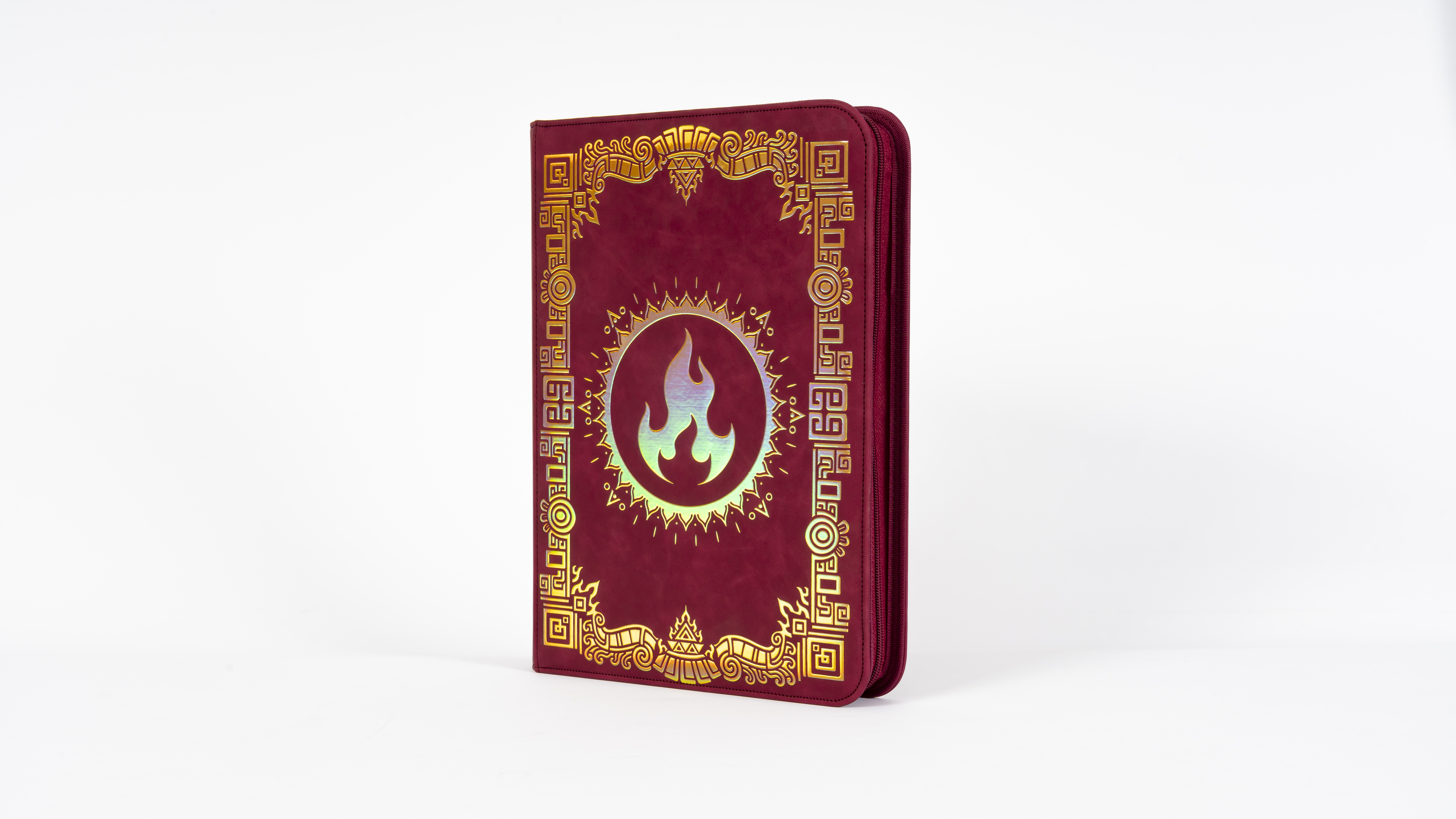

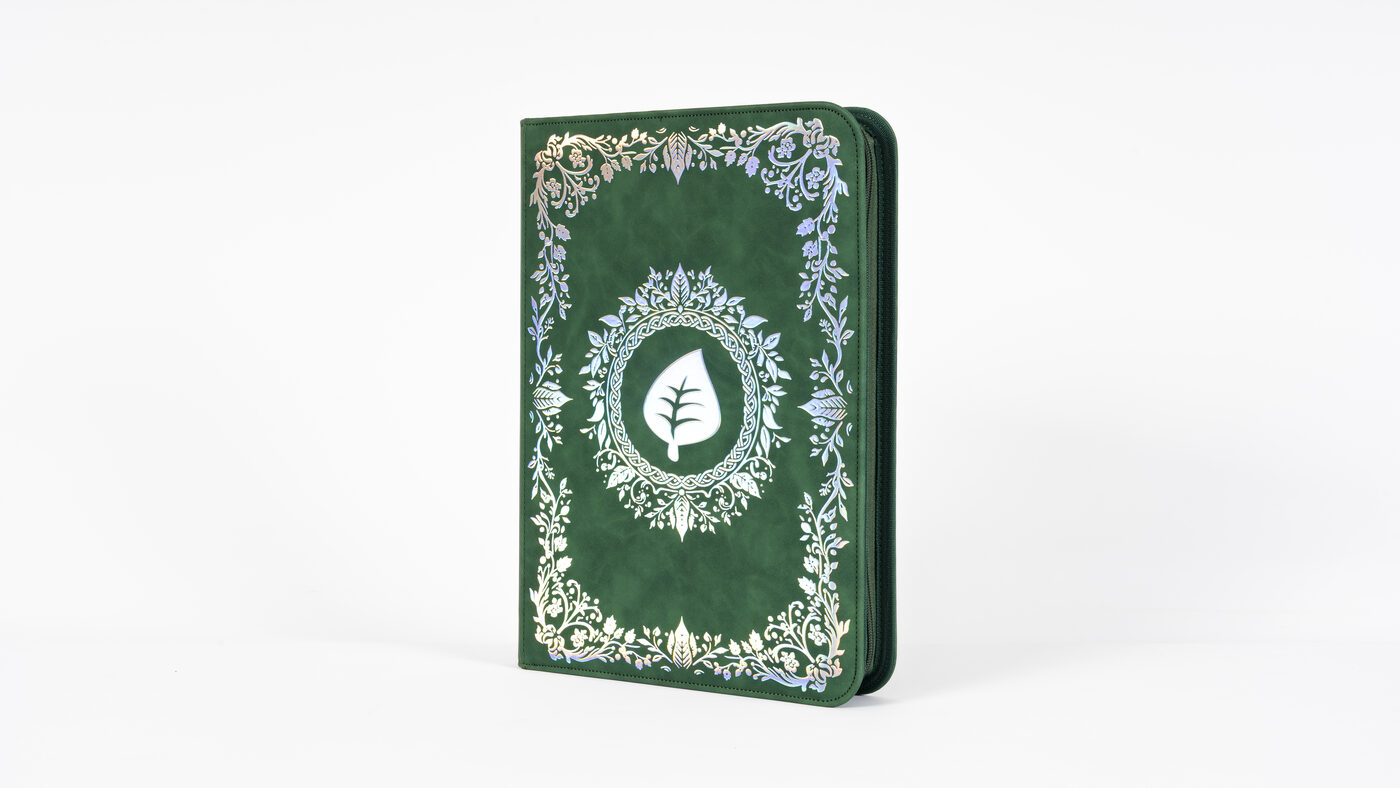
1. Materials: Check the sleeve maker's product information, including the stated plastic type and any acid-free or PVC-free claims. No sleeve can guarantee that a card will remain in mint condition.
2. Fit for standard cards: Choose sleeves that fit Pokémon cards without forcing the corners. A well-sized sleeve reduces movement and can help limit dust and surface friction during handling.
3. Clear vs. matte finish: Clear sleeves show the card artwork directly, while some matte finishes reduce glare or change the feel. Choose based on how you plan to handle or display the card.
4. Layering and fit: If you use more than one sleeve, confirm that the combination fits the card and intended storage without forcing corners or making the card too thick for an ordinary binder pocket. Rigid toploaders need purpose-made pockets; standard binder pages are not designed for them.
5. Compare product details: KMC, Dragon Shield, and Ultra PRO sell different sleeve formats. Compare the exact product's dimensions, stated material, finish, and intended use rather than relying on a brand-wide claim or a general ranking.
Understanding Pokémon Card Sizes
Standard Pokémon cards are approximately 63 mm by 88 mm. Sleeve and page dimensions vary, so check the stated fit rather than assuming every product made for another card game will work.
A soft sleeve can help reduce dust and surface friction during handling. A closer-fitting sleeve may reduce movement, but check insertion instructions and avoid forcing a card into a sleeve. Sleeves do not guarantee that a card will remain in mint condition.
For binder storage, use pages designed for standard-size cards and check their material claims and pocket fit. Side-loading and top-loading page designs have different openings; choose the one that suits how you handle and store the binder.
For valuable cards, consider a suitable sleeve and a sturdy storage option such as a deck box or a properly fitted individual toploader. Ordinary binder pages are for standard-size cards, not rigid toploaders; check page dimensions and material information before use.
Choose sleeves and pages by checking the fit for your card and how you store it. Sleeving may reduce direct handling and surface friction, but does not preserve value by itself or prevent all damage.
Examples of Binder Sleeve Options
This guide compares product types, not ranked or independently tested picks. Product lines and specifications can change, so confirm the exact dimensions, material, and intended use with the manufacturer.
Ultra PRO Sleeve Products
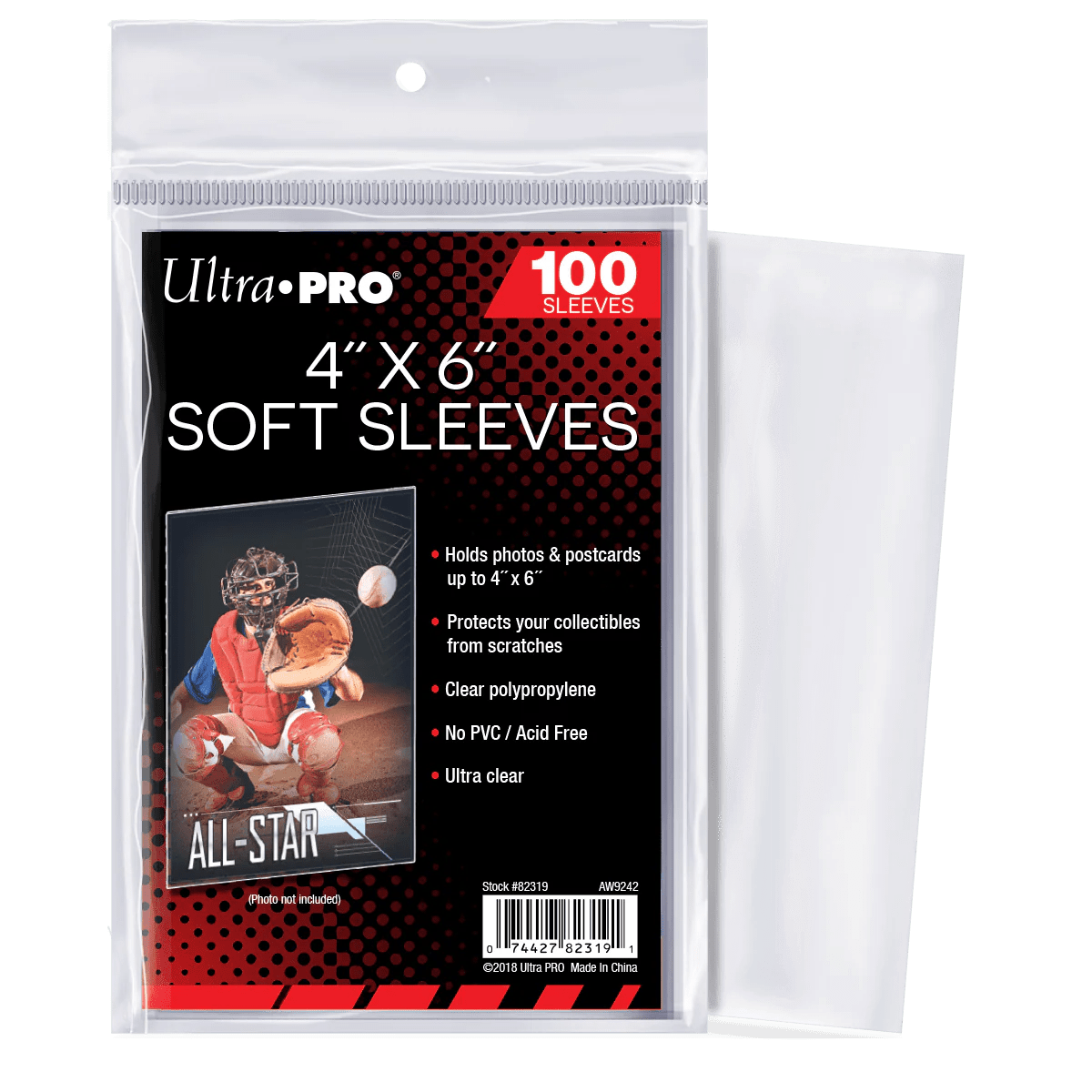
Ultra PRO sells soft sleeves and other card-protection products. Check the specific listing to confirm the sleeve format, dimensions, and material, and whether the sleeved card fits your binder page.
Clear, soft sleeves can be used for standard-size cards stored in compatible ordinary binder pockets. They are not rigid and do not prevent bending or corner damage on their own.
Dragon Shield Inners
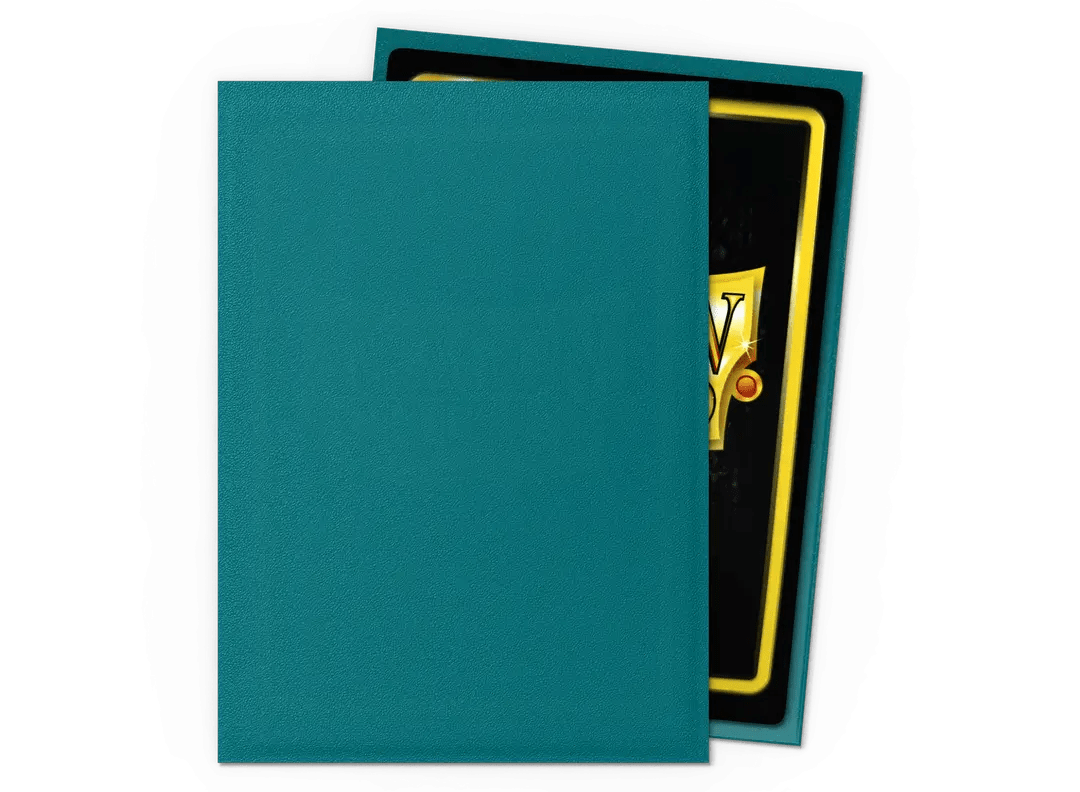
Dragon Shield sells card sleeves in different formats. Check the specific product description to confirm whether a sleeve is an inner sleeve, an outer deck sleeve, or another type; product names and materials vary. Choose a format that fits your card and intended storage.
- Check the package for the sleeve type and dimensions; inner sleeves and outer deck sleeves are different formats.
- If layering sleeves, confirm that the completed card still fits the intended storage without pressure.
- A sleeve can reduce handling and surface friction but does not prevent all wear or guarantee a grade.
Compare the specific Dragon Shield product if you:
- Want a sleeve that fits a particular card and storage format.
- Need the sleeve type and dimensions to match a planned submission or binder page.
- Prefer a particular colour, clarity, or handling feel.
Vault X Sleeve Products
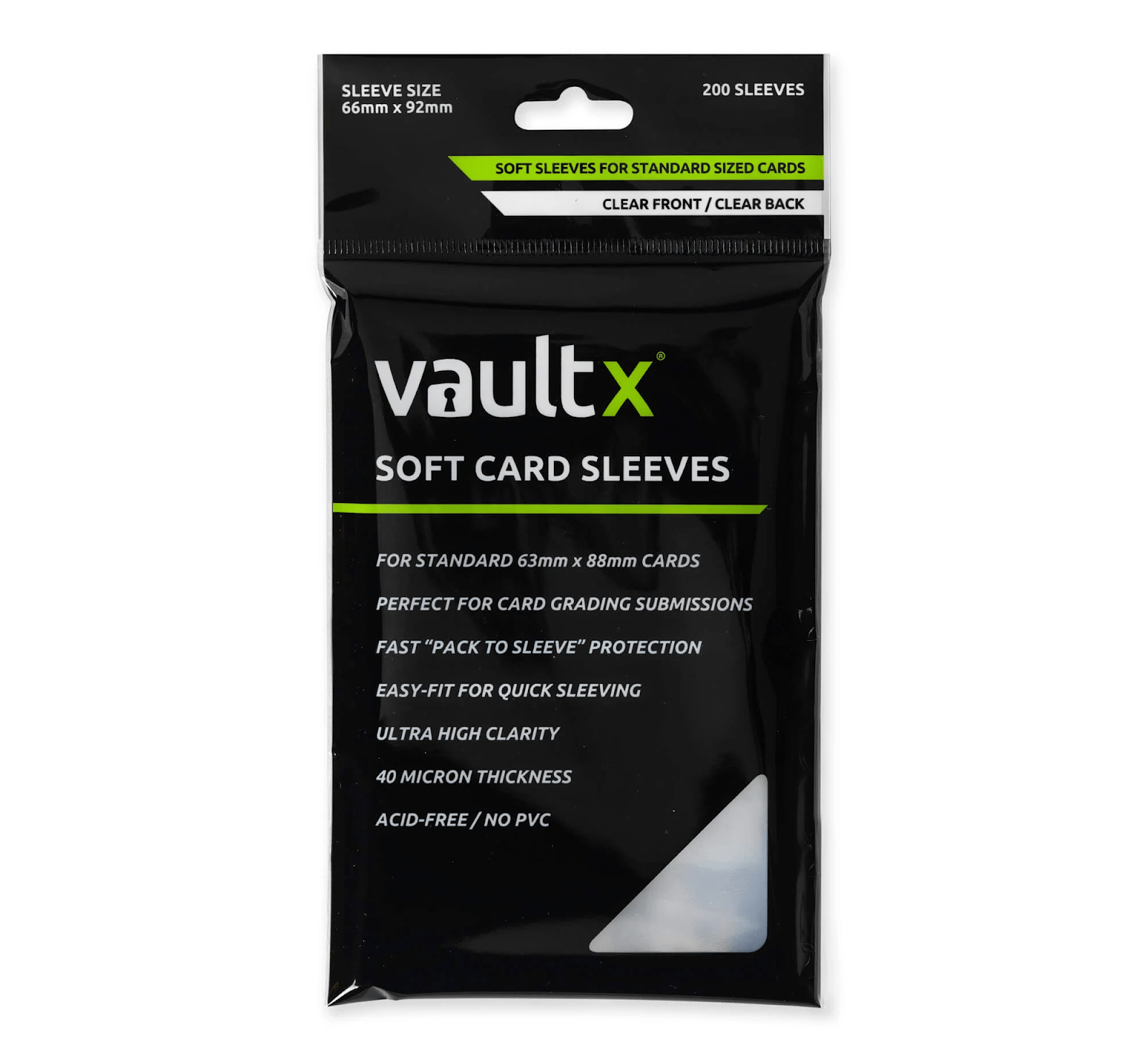
Vault X sells card sleeves as well as binders. Check the exact sleeve product's stated dimensions, material, and finish; do not assume specifications are the same across the brand's range.
- Check the product description for material claims and fit.
- Test compatibility with your standard-size card and binder page before storing valuable cards.
- Remember that a sleeve alone does not protect a card from all bending, impact, or environmental damage.
- Compare the exact product format and measurements.
- Check whether the sleeve is intended for an ordinary binder pocket, deck use, or another storage format.
- Do not assume compatibility with rigid toploaders or graded slabs unless the manufacturer explicitly says so.
General Sleeve Comparison
Choose among sleeve products by comparing fit, material, finish, and compatibility with the storage format you use. Do not assume a particular brand or price point offers better protection for every card.
Comparing Top Brands: Ultra Pro vs. Dragon Shield vs. Vault X
These brands sell different card-protection products. Compare individual product sizes, material information, finish, and intended use; brand names alone do not establish fit or level of protection.
- Check the exact dimensions against your card and the binder pocket.
- Review the maker's stated material and product type.
- Choose a sleeve by fit and intended use rather than an unsupported ranking.
Tips for Storing Pokémon Cards in Binder Sleeves
Careful handling and suitable storage can reduce avoidable wear. These practical habits can help keep a collection organized:
✅ Use a Clean, Flat Surface
Always handle your cards on a clean, clutter-free surface. A soft playmat or microfiber cloth helps prevent dust and grit from scratching card surfaces during handling and sleeving.
🧤 Insert Sleeves Carefully
A close-fitting sleeve can catch a card's corners if the card is forced. To reduce that risk:
- Do not stretch sleeves with other cards; doing so can change the fit or cause damage.
- Follow the sleeve maker's insertion instructions and stop if the card catches or corners are under pressure.
🗃️ Organise by Set, Type, or Rarity
- Set – great for master collectors
- Type – ideal for deck builders
- Rarity – useful for showcasing holo or ultra-rare cards
Using a box or divider box can help further organize your collection and keep cards protected.
Use labeled dividers or tabs to keep things neat and easily accessible. These organization methods are also useful for similar items, such as other trading cards or collectibles.
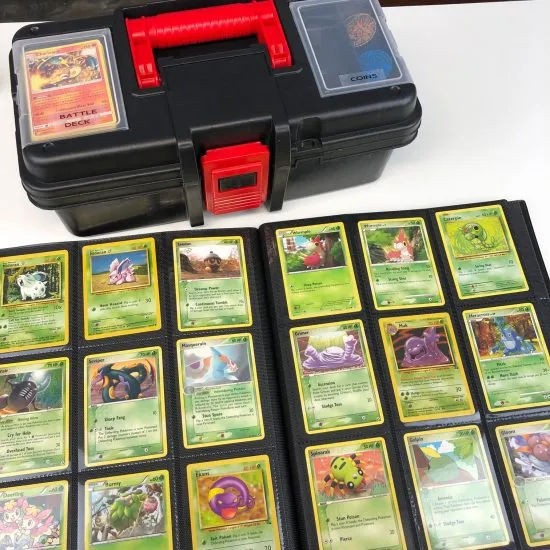
How to Double Sleeve Your Pokémon Cards for Extra Protection
Double-sleeving is optional and depends on the sleeve types and intended storage. If you choose to use two sleeves, make sure the card fits without forcing its corners and still fits the binder page or case.
Start with a Soft Sleeve
A penny sleeve is one type of soft sleeve. Check its dimensions and material information:
- Check the manufacturer's material information.
- Use a sleeve format that fits the card and the intended storage.
- Insert the card gently and stop if it catches.
Close-Fitting Inner Sleeves
Some products are sold as exact-fit or perfect-fit sleeves. Check the package for the intended orientation and fit:
- These sleeves are designed to fit closely; check the package for the correct orientation and dimensions.
- Do not force the card into a tight sleeve, as this can damage corners.
- Confirm that a sleeved card fits the next sleeve or binder pocket.
🧱 Add a Deck Sleeve for Outer Protection
Once your card is in a penny or exact fit sleeve:
- Check the outer sleeve's dimensions against the inner sleeve and card.
- Use a page or box designed for the completed sleeve combination.
- Do not mistake a soft deck sleeve for a rigid toploader.
When a Toploader May Be Useful
A rigid toploader may be appropriate for individual storage or mailing, provided it fits the sleeved card:
- For a rigid layer, use a toploader that fits the sleeved card without forcing it.
- For mailing, secure the card and package it to prevent movement; follow the recipient's submission instructions when preparing cards for grading.
- A toploader binder is designed for rigid toploaders, not ordinary soft-sleeved cards. Check pocket dimensions and capacity before use.
- Graded slabs are a different format; use a slab binder or case only when compatibility is explicitly stated.
Maintaining Your Binder Sleeves and Pokémon Card Collection
Check sleeves and pages periodically for damage and keep stored cards away from heat, moisture, and direct sunlight. These steps can reduce avoidable wear, but no storage method guarantees condition or value.
🔍 Regular Sleeve Checks
Over time, even quality sleeves can develop splits, cloudy patches, or weakened seams:
- Inspect sleeves monthly, especially if you frequently browse your binder.
- Replace any that show cloudiness, tearing, or loosening to avoid accidental damage.
☀️ Avoid Sunlight Exposure
UV light can fade even modern holographic cards:
- Store binders in shaded or enclosed areas, away from windows.
- Avoid displaying binders or cards under strong artificial lighting unless UV-filtered.
🌡️ Climate-Controlled Storage
Paper warps with moisture and shrinks with dry heat:
- Store the collection in a cool, dry place with reasonably stable conditions.
- Avoid places prone to damp, heat, or large temperature swings.
🧽 Use Microfiber for Cleaning
Binder sleeves get smudged, and dirty sleeves mean dirty cards:
- Gently wipe down pages using a dry microfiber cloth to remove dust and oils.
- Never use sprays or abrasive materials—these may leave residue or scratch sleeves.
The biggest threat to your cards might be your fingers:
- Wash and dry your hands thoroughly before handling cards.
- Avoid lotions, creams, or eating beforehand—oils can transfer and stain sleeves or leave fingerprints on glossy surfaces.
🛡️ Trust in Sleeve Quality
Material and UV-resistance claims vary by product. Check the manufacturer's information for the exact sleeve or page:
- Follow the stated care instructions and replace sleeves or pages that are torn, cloudy, or loose.
- A more expensive product is not automatically a better fit; compare the specifications with your intended use.