01 Sep 2025
By BindSafe
Is It OK to Put Pokémon Cards in a Binder?
Yes, standard-size Pokémon cards can be stored in an ordinary binder when the pockets are designed for standard-size cards and any sleeves fit without force. This guide explains how to choose and use a binder, and when another storage format may be more suitable.
In this guide, we’ll cover:
- Why binders are so popular for card storage
- What types of binders are safe (and which to avoid)
- Common risks and how to prevent them
- Best practices for using binder sleeves
- When binders aren’t the best choice
- Alternative storage options
Whether you collect casually or seriously, this guide covers practical ways to store and organize cards while reducing avoidable wear.
Introduction to Pokémon Card Storage
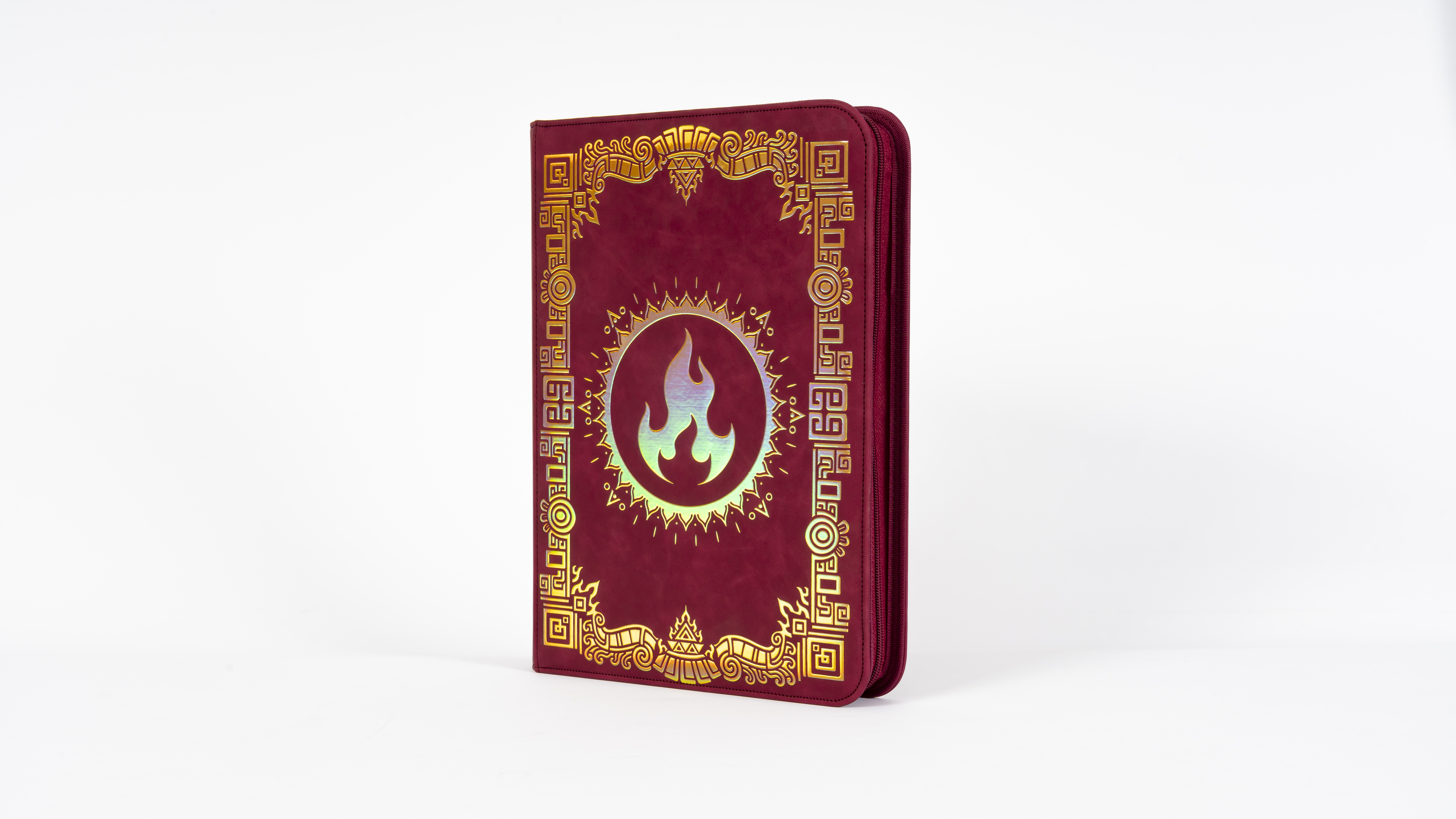

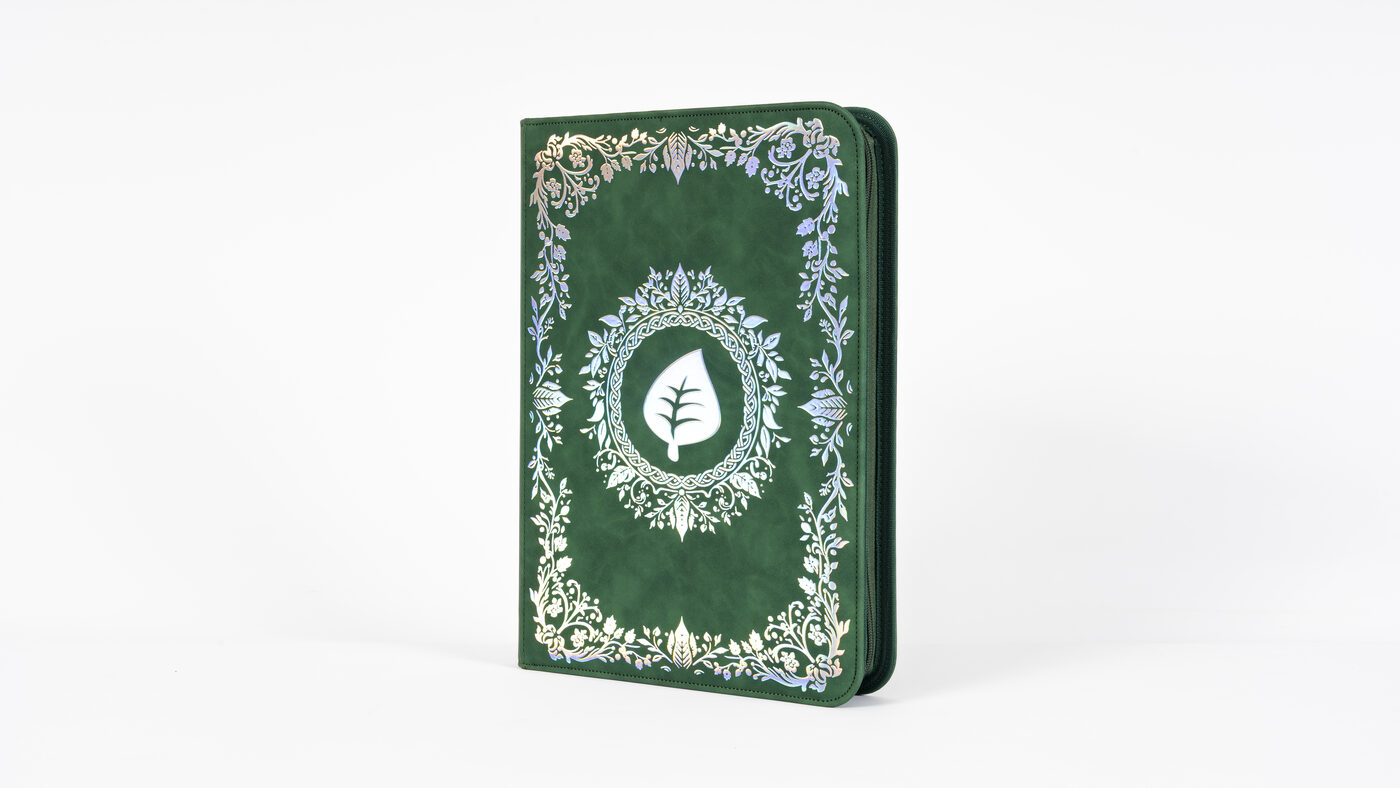
Storage affects how cards are handled and displayed. Options include ordinary card binders, individual toploaders, and storage boxes; each is made for a different format or use.
A binder with pages sized for standard-size cards is one option for organizing and browsing a collection. Check material claims with the manufacturer if you plan long-term storage. Storage boxes can also be useful for larger collections or cards that do not need to be displayed.
An organized collection can make specific cards easier to find. Choose storage that fits the card format and keep cards away from direct sunlight, moisture, and extreme temperatures.
Why Binders Are a Popular Storage Option
A binder is one option for organizing and displaying standard-size cards. Its pocket pages make a collection easy to browse, provided the cards and any sleeves fit the page.
Easy to Browse and Display
A binder lets you browse a collection without handling each card individually. It can also help track progress toward a set, though cards should be removed carefully when needed.
Great for Organisation
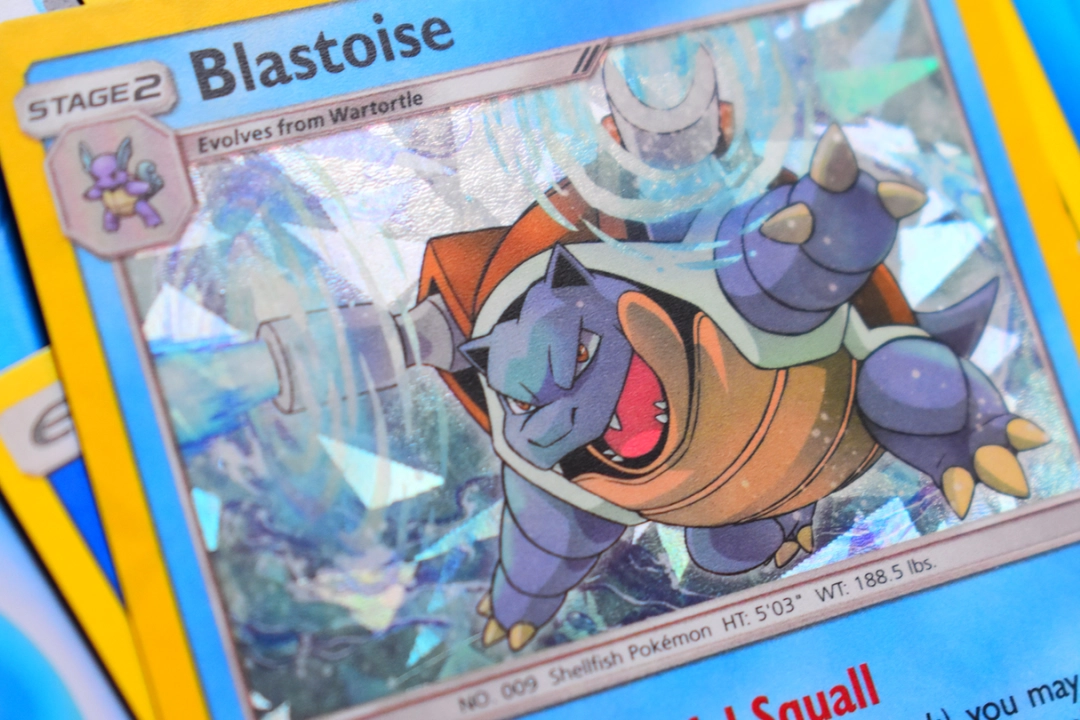
Binder pages can help sort cards by set, type, rarity, or Pokédex number, making them easier to find than loose, unsorted cards.
Protection from Dust and Bending
A sleeve and a closed binder can reduce some dust and handling exposure. They do not prevent every scratch, bend, or environmental effect; check the product's materials and fit.
Portable and Compact
A binder can be convenient to carry, depending on its size and how many cards it holds. Consider its weight when full and protect it from bending, crushing, and moisture during transport.
Organizing Pokémon Cards
Sorting Pokémon cards by type, rarity, or set can make them easier to find, trade, or browse. Use binder pages designed for standard-size cards, and check their fit and material information.
Binder styles include ring binders, fixed-page binders, and binders made for cards in rigid toploaders. They serve different formats: ordinary pocket pages are intended for standard-size cards, often bare or in thin soft sleeves, while a toploader binder must specify fit for rigid cases. Graded slabs require explicit slab compatibility. Choose pages and sleeves sized for the cards you store.

A suitable box can help keep a binder together and reduce dust exposure. It does not provide environmental protection unless it is specifically designed and rated for that purpose.
Risks of Using a Binder (And How to Avoid Them)
Binders have practical limits. Knowing how pages, pockets, and closures behave can help reduce avoidable handling damage, especially when storing cards that matter to you.
The risk: Traditional 3-ring binders can pinch cards if pages shift or if the binder is dropped.
Consider a ringless binder if you want to avoid metal rings near the pages. Whichever style you choose, avoid overfilling and check that cards are not pressed against the spine.
Warping and Humidity
The risk: Cards stored in binders can warp over time if exposed to high humidity or temperature changes.
Solution: Store binders in a cool, dry, climate-controlled area. Avoid windowsills, garages, and lofts.
Sleeve Wear and Tear
The risk: Cheap or old binder sleeves can scratch cards, stick to them, or degrade over time.
Check sleeve material information and replace any sleeve that is torn, cloudy, or otherwise damaged. Sleeves can reduce direct handling but do not prevent all scratches or damage.
Loose Cards Falling Out
The risk: If the pages are top-loading, cards can fall out when the binder is tipped.
Pocket openings differ by page design. Choose a page style you can use carefully, follow the manufacturer's instructions, and close the binder during transport.
What Makes a Binder Safe for Pokémon Cards?
Acid-Free, Archival-Quality Pages
If you are storing cards long term, check the page maker's information about materials, including any acid-free or PVC-free claims. Materials and product specifications vary; no page prevents every form of deterioration.
Sideloading vs. Top-Loading Pockets
Side-loading and top-loading pocket pages open in different directions. Either style can work when the pocket fits the standard-size card and any soft sleeve; choose based on how you handle and store the binder.
A zipper can help keep pages enclosed, but it does not make a binder waterproof or prevent all dust, spills, or impact damage.
Ring binders can put pressure on nearby pages if overfilled or handled roughly. A ringless binder avoids metal rings, but check how its pages are attached and whether cards sit flat.
Sturdy Outer Cover and Flat Pages
A firm cover may help resist some pressure, but does not prevent all impacts. Follow capacity guidance and check that pages lie flat without cards pressing against one another.
Best Practices for Using a Binder Safely
These practical steps can reduce avoidable wear when storing standard-size cards in a binder. They cannot guarantee that cards will remain in mint condition.
Use Penny Sleeves Inside Binder Pages
A soft sleeve can help reduce direct handling and surface friction. Choose a sleeve that fits the card and the binder pocket; double-sleeving is optional, and the added thickness must still fit without pressure.
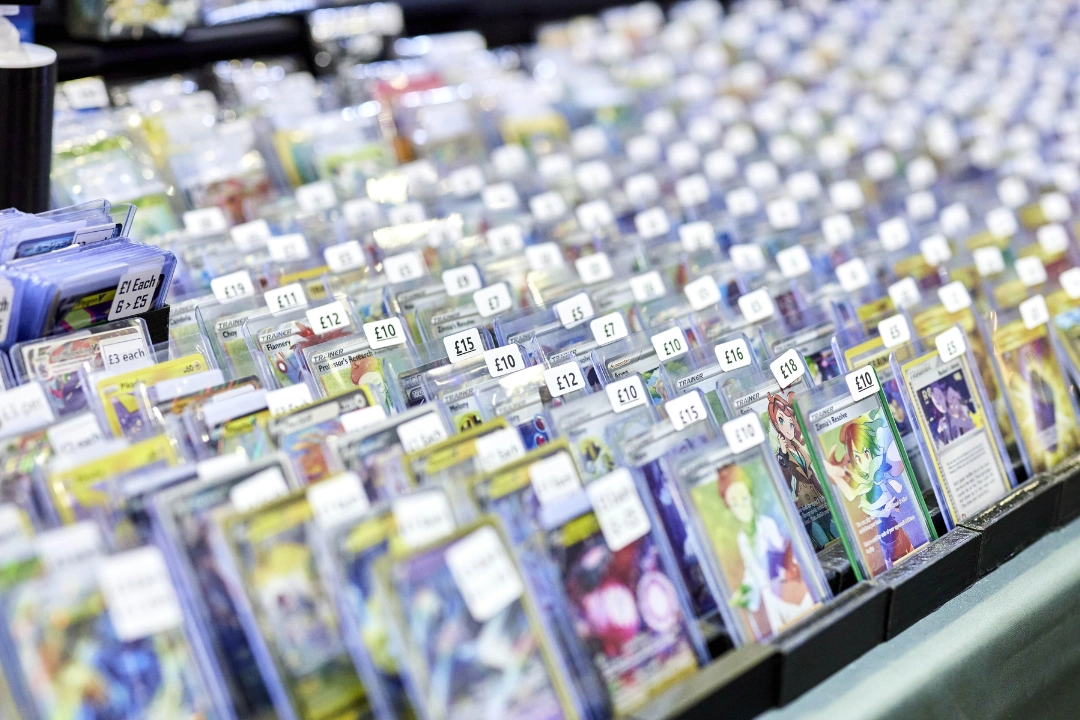
Choose Side-Loading Pages
Cards may move through an open pocket if a binder is tipped or dropped. Choose a page style you can handle carefully and close the binder when moving it.
Trying to cram too many cards into one page or binder can lead to bent pages, pressure damage, and warped cards, increasing the risk of damaging even one card. Follow the manufacturer’s page capacity guidelines and keep the binder comfortably filled.
Store Binders Upright
Store the binder in a way that does not place heavy pressure on its pages. Follow any storage guidance from the binder maker.
Use Zippered, Ringless Binders
Natural oils and dirt from your hands can leave residue or smudges. Wash and dry your hands before handling cards, or use clean cotton gloves if you're dealing with valuable ones.
A zipper can keep pages closed, and a ringless design avoids metal rings, but neither feature guarantees protection from dust or impact. A toploader binder is a separate format intended for cards inside rigid toploaders; ordinary binder pockets are not made for rigid toploaders.
When to Avoid Using a Binder
A standard pocket binder is not appropriate for every card format. Consider another storage option in these situations:
Alternative storage also has limits; choose a format that fits the card and follow its manufacturer's handling guidance.
High-Value or PSA-Graded Cards
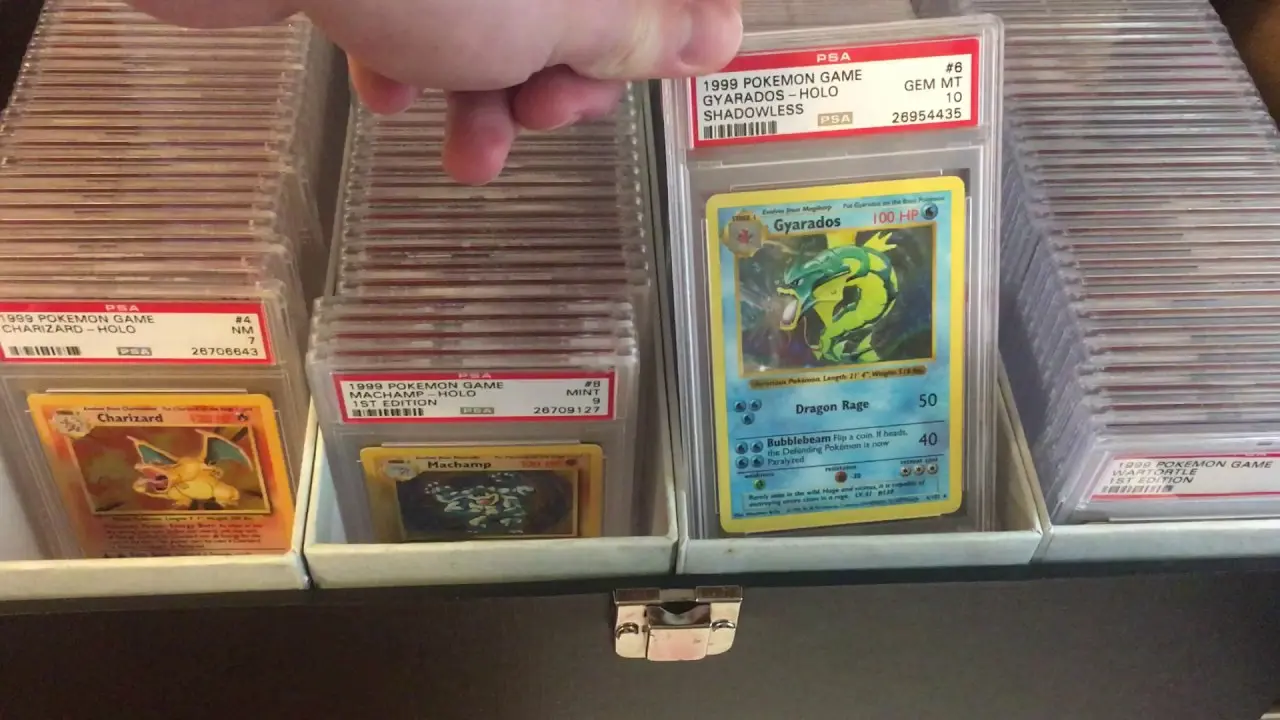
Graded slabs are larger than ordinary standard-size cards and should not be assumed to fit standard binder pockets or toploader-binder pockets. Use a slab binder or case only when the manufacturer explicitly confirms compatibility with your slab format.
Extreme Environmental Conditions
A binder zipper is not a moisture barrier. Store cards in a dry place and avoid containers or desiccants unless their use is appropriate for the storage environment and product.
Young Children Handling the Collection
If young children handle the collection, consider storing it somewhere supervised or out of reach. Deck boxes or individual toploaders may also be useful, but require careful handling.
Cards in Transition (e.g., Waiting for Grading or Sale)
If you are preparing cards for grading, follow the grading company's current submission instructions for sleeves and semi-rigid holders. Avoid unnecessary handling before packing.
Comparing Binder Products
The original version named BindSafe, Vault X, Ultimate Guard, TopDeck, Dex Protection, Monster, and Rayvol. These are examples to research, not a tested ranking or endorsement. Product features and specifications differ by model and can change, so consult the manufacturer's current information before buying.
- Check that ordinary pocket pages are designed for standard-size cards and any soft sleeve you use.
- Verify the material, page attachment, pocket layout, and closure on the exact model.
- Do not assume a standard binder holds rigid toploaders or graded slabs; seek explicit compatibility information for those formats.
Alternative Storage Options
Binders are one of several ways to store Pokémon cards. Depending on the card format, how often it is handled, and whether it needs to be displayed, alternatives such as storage boxes, individual toploaders, or slab cases may be appropriate. A clean, flat workspace helps when sorting cards before storage.
Toploaders or Semi-Rigids
Toploaders and semi-rigid holders are individual-card storage formats. Check the case dimensions and follow the relevant grading company's current preparation instructions if submitting a card.
- Toploaders are rigid cases; use one that fits the sleeved card without forcing it.
- Semi-rigid holders are a different format. Check current submission instructions before choosing one for grading.
Slab Cases for PSA/BGS Cards
A graded card is encapsulated in a slab. For storage or transport:
- Choose a storage product that is explicitly sized for your slab format.
- Check the maker's instructions for capacity and transport.
These are especially useful if you're travelling with your collection or storing large volumes.
Magnetic Holders for High-End Cards
A magnetic holder is another option for displaying some ungraded cards. Check its card dimensions, fit, and material information before use.
- Confirm that the holder is designed for the card's size and thickness.
- Follow the manufacturer's handling and storage guidance.
Deck Boxes for Casual Transport
If you’re carrying cards to local events or meetups:
- Deck boxes can keep a group of cards together for transport.
- Check the inside dimensions and capacity for the sleeves you use.
A deck box can be useful for carrying a playable deck or cards for trade. It is not necessarily a substitute for a long-term storage solution.
Check the interior lining, closure, and any dividers against your intended use.
Conclusion: Is It Okay to Use a Binder for Pokémon Cards?
Yes, a standard binder can be used for standard-size Pokémon cards when its pockets are designed for that format and any soft sleeves fit without pressure. Check the page material and capacity information, and store the binder away from heat, moisture, and direct sunlight.
A standard pocket binder should not be assumed to fit rigid toploaders or graded slabs. For either case type, use a product whose manufacturer explicitly confirms compatibility with the exact format.
- Binders can help organize and browse standard-size cards.
- Choose pages that fit the card and any soft sleeve without forcing it.
- Use separate, explicitly compatible storage for rigid toploaders or graded slabs.
Choose storage that fits your cards and how you plan to handle them. No binder or sleeve can guarantee that cards will remain in a particular condition or retain their value.