Knowing where to sell Pokémon cards can make a huge difference in how much you actually earn. Prices vary widely depending on condition, demand, and how well your cards are stored and presented. Before listing anything, it’s worth organizing and protecting your collection with a quality pokemon card binder, since condition and presentation play a major role in perceived value for buyers.
In this guide, we’ll break down the best places to sell Pokémon cards, from online marketplaces and local card shops to auctions and collector communities. You’ll learn which options are best for high-value singles versus bulk cards, and how fees, speed, and buyer trust factor into your final payout.
Quick Answer: Where Are the Best Places to Sell Pokémon Cards?
- Online marketplaces: Large platforms like eBay, Mercari, Facebook Marketplace, and Whatnot let you reach the biggest audience and often get higher prices, especially for rare or in-demand Pokémon cards. Mercari is a mobile-first app with lower fees, making it ideal for selling mid-value singles or small bundles.
- Specialty card shops: Local game and card shops are businesses that offer fast, in-person sales or store credit, making them a convenient option if you want quick payment. These businesses accept a wide range of cards and offer competitive prices based on rarity, condition, and market demand.
- Trading card platforms: Dedicated trading card marketplaces and apps attract serious collectors and provide clearer pricing, stronger buyer trust, and better alignment with collector expectations.
- Local sales and events: Card shows, conventions, and local meetups allow face-to-face selling and negotiation, which works especially well for valuable or graded cards.
- Direct-to-collector options: Selling directly to collectors through online communities or private deals can maximize profits by avoiding platform fees, but requires more trust and caution.

What Determines the Best Place to Sell Pokémon Cards?
The best place to sell Pokémon cards depends on several practical factors that affect how much you earn, how quickly you get paid, and how much effort is required.
- Card value and rarity: High-value or rare Pokémon cards, especially ultra rare, First Edition, Promo, or holographic (holo) cards, usually perform best on platforms with large collector audiences. Commons and uncommons can still be sold or traded, often in bulk, and have market worth, but typically fetch lower prices.
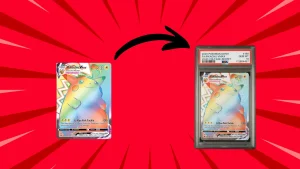
- Graded vs ungraded cards: Professionally graded cards, especially those graded by reputable services like PSA or Beckett, can significantly increase a card’s value and authenticity, and tend to sell more easily online and at collector-focused events. Ungraded cards may sell faster through local shops or casual marketplaces.
- Card condition: Cards in Near Mint condition show minimal to no wear from shuffling, play, or handling, and are more desirable to buyers. Holo cards in Near Mint condition are generally worth more than non-holo cards.
- Sorting and maximizing value: To maximize the value of your Pokémon cards, sort them by holo and non-holo, and check prices on the holo cards, as these are often key items to assess or sell separately.
- Acceptance and verification: Buyers often accept a wide range of cards, including commons, uncommons, and ultra rare cards, but will carefully examine and verify them against a buylist before payment is issued.
- Speed vs maximum profit: If you want quick cash, local card shops or in-person sales are often the fastest option. If you’re aiming for the highest possible price, online marketplaces and direct collector sales usually take more time but offer better returns.
- Fees, risk, and effort involved: Online platforms may charge listing or selling fees and require shipping and buyer communication. Local sales reduce fees and effort but often come with lower payouts.
Selling Pokémon Cards Online
Selling Pokémon cards online is the most popular option because it offers the widest reach and the most flexibility in how you list and price your cards.
Many online platforms and apps require you to create an account to list, post, and manage your Pokémon card sales, as well as to receive payment. The typical action steps for selling online include posting your cards for sale, setting your prices, and waiting to receive payment once your cards are sold.
General Online Marketplaces
These platforms have massive audiences and work well for both casual sellers and serious collectors.
- Large buyer audience: Sites like eBay and Mercari attract millions of users, increasing visibility for your cards. You can post your cards for sale on these apps and platforms to reach different types of buyers.
- Auction vs fixed price listings: eBay allows auctions for competitive bidding or fixed-price listings. eBay is great for auctions and reaching a massive audience, suitable for both cheap singles and high-end graded cards. Mercari focuses on set pricing and is a mobile-first app with lower fees, making it a good choice for mid-value singles or small bundles.
- Other options: Facebook Marketplace is best for fast, local deals with zero shipping costs or platform fees. Whatnot is a live auction platform where sellers can stream to an audience, driving prices up through real-time excitement.
- Pros and cons: You get maximum exposure, but you’ll need to factor in seller fees, shipping, and customer communication.

Dedicated Trading Card Marketplaces
These platforms are built specifically for trading cards and tend to attract serious collectors.
- Collector-focused platforms: TCGplayer and Cardmarket cater directly to Pokémon card buyers and sellers. TCGplayer is ideal for selling individual cards to a serious, educated audience and features a leveling system that rewards consistent sellers with higher visibility. Cardmarket is the leading peer-to-peer marketplace for sellers based in Europe, offering low commissions and tools for bulk listing. Troll and Toad accepts single cards and bulk collections via a predefined buylist for quick transactions.
- Account required: Sellers typically need to create an account to access these platforms’ features, manage their sales, and sometimes earn rewards or loyalty points.
- Accept and send: These platforms accept both individual cards and full collections, including vintage, modern, and even damaged cards, depending on their acceptance criteria. You may need to send your cards in for verification or drop them off at a designated location.
- Price transparency: Recent sales data and market pricing help sellers set fair, competitive prices.
- Lower buyer friction: Standardized condition guidelines and buyer expectations reduce disputes.
Selling Pokémon Cards Through Social Media
Social platforms allow more direct, community-driven selling.
- Groups and communities: Pokémon card groups on Facebook and Reddit are commonly used for buying and selling. You can post your cards for sale in these groups to connect with potential buyers. Reading and leaving comments in these groups is valuable, as comments often provide tips, peer support, and help you gauge the value of your cards through shared experiences.
- Direct messaging sales: Deals are often negotiated through private messages, making transactions faster and more personal.
- Trust and verification considerations: Because there’s less built-in protection, sellers should verify buyers, use secure payment methods, and keep records of conversations. Confidence and support are important in these peer-to-peer transactions—some groups offer support channels or moderators to assist with disputes, helping to ensure a reliable and hassle-free selling experience.

Selling Pokémon Cards to Local Stores and Card Shops
Selling Pokémon cards in person is a good option if you want quick payment and minimal effort, even if it usually means accepting a lower payout than online selling.
Many local comic book or hobby shops operate as businesses that buy Pokémon cards for cash or store credit, offering expert valuation but typically below market value. These stores often provide in-store, on-the-spot cash payments, making the process quick and convenient. Local card shops usually buy multiple cards or entire collections, whether vintage, modern, damaged, or incomplete, but may only pay a fraction of their retail value. There is also a cost to selling in-store, such as lower payouts, and a chance that some cards may be missed or not accepted during the evaluation process.
Local Game Stores (LGS)
Local game stores that specialize in trading cards often buy Pokémon cards directly from customers. Many local game stores also offer trade-in options, allowing you to exchange your Pokémon cards for store credit or cash. These stores usually accept a wide range of cards, including bulk, rare, and even damaged cards, and can handle multiple cards or full collections.
- Instant cash or store credit: Many LGS locations offer immediate payment or store credit, which can be useful if you want to reinvest in other cards or products.
- Lower payouts vs convenience: Stores typically pay less than online market value because they need room for resale profit, but the process is fast and straightforward.
- Packaging tips: When bringing in multiple cards for sale or trade, it’s important to package your cards securely—use a card box or place valuable cards in toploaders to protect them during transport.
Pawn Shops and Second-Hand Stores
Pawn shops and general resale stores sometimes buy Pokémon cards, but this option should be approached carefully. These businesses may accept Pokémon cards, but their acceptance criteria can vary widely depending on the card’s condition, rarity, and demand.
- When this option makes sense: Pawn shops may be useful if you need cash quickly and don’t want to deal with listing or shipping cards. These businesses often focus on quick resale, which can influence their offer.
- Risks of undervaluation: Staff may not be familiar with Pokémon card values, which can lead to significantly lower offers compared to card shops or collector-focused platforms. The cost of reselling, as well as the chance that valuable cards are missed or not accepted during evaluation, can result in lower payouts.
Selling Pokémon Cards at Events and In Person
In-person selling can be an excellent option for valuable Pokémon cards, as it allows direct negotiation and immediate payment without platform fees. The excitement and anticipation of opening packs or boxes at events often draws crowds and increases buyer interest. Selling multiple cards or even full collections at these events is common, so organizing your cards for easy viewing is important. There is added confidence in negotiating and completing transactions in person, as buyers can inspect the cards directly before making a purchase.
Trading Card Shows and Conventions
Card shows and conventions bring together large numbers of buyers and sellers in one place.
- High buyer density: These events attract serious collectors, dealers, and vendors who are actively looking to buy Pokémon cards.
- Best for valuable cards: Rare, graded, or vintage cards often perform especially well at shows, where buyers can inspect condition in person and negotiate confidently.
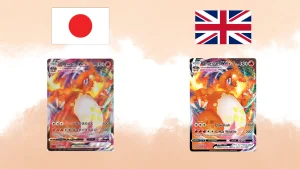
- Spotlight on ultra rare and Charizard cards: Ultra rare cards and iconic cards like Charizard often attract the most attention and highest offers at shows.
- Showcasing collections: Sellers frequently bring full collections to conventions, using a card box for organization and toploaders to protect and display their most valuable cards during transport and at their tables.

Local Meetups and Collector Events
Smaller, community-driven events offer a more casual selling environment.
- Community-based selling: Local Pokémon card meetups and hobby groups allow you to sell, trade, or even trade in your cards for other collectibles or cash within a trusted collector community. These events often provide immediate, hassle-free trade-in options for full collections, sealed products, or even damaged cards.
- Community support and comments: Engaging with other collectors at these events gives you access to valuable support, comments, and tips. Community feedback can help you gauge the value of your cards, learn practical strategies, and make more informed selling decisions.
- Safety considerations: Always meet in public places, bring a friend if possible, and use secure payment methods to reduce risk when selling in person.
How to Prepare Pokémon Cards for Sale
Proper preparation can make a big difference in how quickly your Pokémon cards sell and how much buyers are willing to pay.
- Organizing and sorting: Sort your cards by rarity—commons, uncommons, holos, and ultra rares. Note any wear from play, such as edge whitening or surface scratches, as condition impacts value and buyer interest. When handling multiple cards, organize them in a card box for easy transport and sale.
- Cleaning and handling: Handle cards carefully by the edges and avoid touching the surface. Lightly remove dust with a soft, dry cloth, but never use liquids or attempt aggressive cleaning, as this can damage the card.
- Protective packaging: Place valuable cards, especially holos and ultra rares, in penny sleeves and then into toploaders to prevent damage. Proper packaging is essential when you send cards to buyers or businesses, as it reduces the chance of damage and can affect the cost of shipping.
- Taking clear photos: Use good lighting and a neutral background to show the front and back of each card clearly. Close-up photos of corners, edges, and any flaws help build buyer trust and reduce disputes.
- Writing accurate descriptions: Clearly state the card’s condition, whether it’s graded or ungraded, and any visible wear. Honest descriptions prevent returns and help buyers feel confident in their purchase.
- Setting realistic prices: Check recent sold listings for similar cards to understand current market value. Pricing too high can slow down sales, while pricing too low may leave money on the table.
Frequently Asked Questions About Selling Pokémon Cards
Where is the best place to sell Pokémon cards?
The best place to sell Pokémon cards depends on the type of cards you have and your goals. Online marketplaces and dedicated app platforms can help you reach a wide audience and evaluate your cards’ value. For those seeking a hassle-free experience, reputable apps and in-store options provide confidence with secure, professional transactions and on-the-spot payments. Local card shops and in-person sales are also faster and more convenient.
Is it better to sell Pokémon cards online or in person?
Selling online generally brings higher payouts but requires more time, effort, and shipping. You usually need to create an account on the selling platform, and you will have to send your cards to the buyer, which can add to your cost due to shipping fees. Selling in person is quicker and simpler, with no need for an account or shipping, but offers are often lower because buyers factor in resale margins.
How much are Pokémon cards worth today?
Pokémon card values vary widely based on rarity, condition, demand, and whether the card is graded. Commons and uncommons are generally worth less, while holo, ultra rare, and iconic cards like Charizard can be worth much more. Cards with minimal play or wear are valued higher. Some cards are worth only a few dollars, while rare or vintage cards can sell for hundreds or even thousands.
Can you sell Pokémon cards without grading them?
Yes, you can sell Pokémon cards without grading them. Most buyers accept both graded and ungraded cards, but all cards go through a verification process to ensure authenticity and condition. Grading can increase value for high-end cards, but many collectors regularly buy and sell ungraded cards, especially modern releases and lower-value singles. There is a chance that some cards may be missed or not accepted if they don’t meet the buyer’s acceptance criteria.