The short answer is yes, binders are totally fine—as long as you use the right kind and follow a few important tips. In this article, we’ll also discuss what makes the best binder for Pokémon cards, including how to choose one that offers the best protection and organization for your collection.
In this guide, we’ll cover:
- Why binders are so popular for card storage
- What types of binders are safe (and which to avoid)
- Common risks and how to prevent them
- Best practices for using binder sleeves
- When binders aren’t the best choice
- Alternative storage options
Whether you’re a casual collector or a serious investor, we’ll help you keep your cards safe, organised, and looking mint for years to come.

Introduction to Pokémon Card Storage
When it comes to collecting Pokémon cards, how you store them can make all the difference in preserving their value and condition. Whether you’re just starting out or have been collecting trading cards for years, choosing the right storage method is essential. There are several options available to collectors, including card binders, toploaders, and storage boxes, each offering unique benefits for different types of collections.
For most collectors, using a binder—like an Ultra Pro binder with acid-free Ultra Pro pages—is one of the best ways to store and display valuable cards. Acid-free materials are crucial because they prevent your cards from yellowing or deteriorating over time, ensuring your collection stays in top shape. Storage boxes are another popular choice, especially for storing large numbers of cards or keeping your collection safe when not on display.
A well-organized collection not only looks impressive but also makes it easy to find specific cards when you need them. By using a high-quality card binder, you can keep your Pokémon cards protected, accessible, and ready to show off at any time. No matter which method you choose, always store your cards away from direct sunlight, moisture, and extreme temperatures to keep your valuable collection in pristine condition.
Why Binders Are a Popular Storage Option
Binders are one of the most common ways Pokémon collectors store their cards—and for good reason. Binders are also popular for displaying collections, making them visually appealing and easy to showcase. Here’s why they remain a go-to choice for beginners and experienced collectors alike:
Easy to Browse and Display
Binders let you flip through your collection like a photo album, and they also make it easier to access your cards for play, enhancing the overall experience. Whether you’re admiring your holo rares or checking off a complete set, binders make it fun and satisfying to view your progress at a glance.

Great for Organisation
Binders help you sort your cards and organize your collection by set, type, rarity, or even by Pokédex number. Using a binder is one of the best ways to organise Pokemon cards for easy access and management, making it easier to find what you need and preventing cards from getting lost in random stacks or boxes.
Protection from Dust and Bending
When used correctly—with acid-free sleeves and a zippered binder—you can protect your cards from common hazards like dust, fingerprints, and minor bending.
Portable and Compact
Unlike bulky boxes or deck cases, binders are slim and easy to carry to tournaments, trade events, or even just a friend’s house. You can take your entire collection in one hand, especially when you use one binder to keep everything organized and portable.
Organizing Pokémon Cards
Organizing your Pokémon cards is not just practical—it can also be a fun and creative part of collecting. Many collectors enjoy sorting their cards by type, rarity, or set, making it easier to build decks, trade, or simply admire their collection. Using binder pages, such as Ultra Pro pages, helps keep your cards neatly arranged and protected from everyday wear.
There are several types of binders to consider, including monster binders, ring binders, and toploader binders. Monster binders and ring binders are great for organizing large collections, while toploader binders offer extra protection for your most valuable cards. When storing cards, it’s important to use the right size of plastic pages or plastic sleeves to fit your Pokémon cards, as well as other trading cards like magic cards or baseball cards. Penny sleeves and soft sleeves provide an extra layer of protection, especially for cards you want to keep in mint condition.

To keep your collection organized and safe from dust, consider storing your binders in a shoe box or a dedicated storage box. This not only protects your cards from environmental damage but also keeps your collection tidy and easy to access. With the right combination of binder pages, sleeves, and storage solutions, you can ensure your Pokémon cards—and any other valuable cards you collect—stay protected and organized for years to come.
Risks of Using a Binder (And How to Avoid Them)
While binders are a great way to store Pokémon cards, they’re not entirely risk-free. Knowing the potential downsides—and how to prevent them—can save your collection from accidental damage. Extra care should be taken when storing expensive cards, as using high-quality binders and sleeves is essential to protect their value over time.

Ring Damage
The risk: Traditional 3-ring binders can pinch cards if pages shift or if the binder is dropped.
Solution: Use ringless, zippered binders with sewn pages instead. These are far safer and reduce movement inside the binder.
Warping and Humidity
The risk: Cards stored in binders can warp over time if exposed to high humidity or temperature changes.
Solution: Store binders in a cool, dry, climate-controlled area. Avoid windowsills, garages, and lofts.
Sleeve Wear and Tear
The risk: Cheap or old binder sleeves can scratch cards, stick to them, or degrade over time.
Solution: Use archival-safe, acid-free, and PVC-free sleeves. Replace sleeves if they show signs of wear or cloudiness. Always keep valuable or holo cards sleeved to prevent scratches and damage.
Loose Cards Falling Out
The risk: If the pages are top-loading, cards can fall out when the binder is tipped.
Solution: Opt for side-loading pages and always keep the binder zipped shut during transport. When putting cards into side-loading pages, do so carefully to minimize the risk of them falling out.
What Makes a Binder Safe for Pokémon Cards?
Acid-Free, Archival-Quality Pages
Cards stored long-term need protection from chemicals that can degrade them, so always use acid-free card pages for optimal storage. Always opt for acid-free and PVC-free pages. These materials won’t cause yellowing, warping, or fading over time and are specifically designed for long-term storage.
Sideloading vs. Top-Loading Pockets
Sideloading pockets are more secure than top-loaders because they reduce the risk of cards slipping out—especially when the binder is moved or turned. Top-loaders are easier to use, but for high-value cards, sideloading is worth the extra effort. Card pages also come in different sizes to fit Pokémon cards and other trading cards.
Zip-Closure Binders
Binders with zip closures offer an extra layer of protection. They prevent dust, moisture, and accidental spills from reaching your cards—ideal for collectors who travel with their binders or live in humid climates.
No Metal Rings
Avoid binders with metal rings at all costs. These rings can pinch or press cards, especially when closing the binder, leading to permanent indentations or bends. Instead, choose D-ringless binders or ones that use soft, spine-mounted sleeves.
Sturdy Outer Cover and Flat Pages
A hardcover binder adds a durable layer against external pressure and bumps. Look for binders with flat, reinforced pages that don’t sag, bend, or distort easily—even when full.
Best Practices for Using a Binder Safely
If you’re going to store your Pokémon cards in a binder, doing it the right way can make all the difference. These tips represent the best way to store and protect your Pokémon cards in a binder. These practical tips help ensure your collection stays safe, clean, and in mint condition over time.
Use Penny Sleeves Inside Binder Pages
Double-sleeving is a collector’s secret weapon. Slide each card into a penny sleeve (a soft, acid-free sleeve) before inserting it into the binder page. Deck sleeves can also be used to protect cards, especially for those who play Pokémon TCG, as they offer a snug fit and extra protection during gameplay. This creates a barrier against scratches, dust, and humidity.

Choose Side-Loading Pages
Top-loading pages can allow cards to slip out if the binder is tilted or dropped. Side-loading pockets are more secure and help protect edges from friction or accidental falls.
Avoid Overstuffing
Trying to cram too many cards into one page or binder can lead to bent pages, pressure damage, and warped cards, increasing the risk of damaging even one card. Follow the manufacturer’s page capacity guidelines and keep the binder comfortably filled.
Store Binders Upright
Treat your binder like a book—store it vertically on a shelf, not flat in a stack. This prevents unnecessary weight on the cards and reduces the risk of warping or page curling.
Use Zippered, Ringless Binders
Natural oils and dirt from your hands can leave residue or smudges. Wash and dry your hands before handling cards, or use clean cotton gloves if you’re dealing with valuable ones.
Keep Hands Clean
Binders with zippers and no metal rings offer the best protection. The zipper seals out dust and debris, and ringless designs eliminate pinch risks. Another option for enhanced protection, especially for valuable cards, is a toploader binder—a specialized card binder designed to hold and protect cards in rigid plastic sleeves called toploaders.
When to Avoid Using a Binder
While binders are a popular and practical choice for most collections, there are situations where they may not be the best option—especially for cards with high financial or sentimental value. Here are a few times when you might want to skip the binder:
If you choose alternative storage options, you can put your worries to rest by following our recommended tips for card protection and organization.
High-Value or PSA-Graded Cards
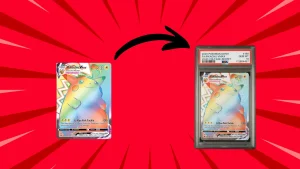
If you’re dealing with graded cards (e.g., PSA, CGC, BGS slabs) or high-value raw cards, binders may not offer adequate protection. The rigid structure of graded slabs doesn’t fit well in most binder pockets and can stress the seams or cause bulging.

Extreme Environmental Conditions
If you live in a humid or fluctuating climate, moisture can seep into even zipped binders over time. In these cases, airtight storage containers with desiccants or display cases with environmental controls offer better long-term protection.
Young Children Handling the Collection
Binders are accessible, but that can also be a downside. If young children are frequently handling your cards, it might be safer to store them in deck boxes or toploaders to avoid accidental damage from bending, fingerprints, or spills.
Cards in Transition (e.g., Waiting for Grading or Sale)
If you’re preparing to send cards in for grading, you should start putting your cards into penny sleeves inside Card Savers instead of placing them in a binder. This method reduces handling and keeps them in the condition PSA or CGC expects for evaluation.
Recommended Binder Brands for Safe Storage
If you’re serious about keeping your Pokémon cards protected, choosing a high-quality binder brand is crucial. These brands have been tested and trusted by collectors for their protective features, durability, and card-safe materials.
1. Bindsafe
A newer favourite among collectors, BindSafe binders offer:
- Acid-free, archival-safe pages
- Sideloading pockets to prevent cards from slipping
- Zippered closure for full dust and moisture protection
They’re sleek, sturdy, and ideal for long-term storage or travel.
2. VaultX
Well-known in the TCG community, VaultX binders combine style and function:
- Padded, rigid outer cover to protect against bending
- Durable, side-loading 9-pocket pages
- Available in a variety of colours for easy sorting by set or theme
VaultX is a go-to for collectors who want both protection and aesthetics.
3. Ultimate Guard
Ultimate Guard binders are built for hardcore protection:
- PVC-free, acid-free pages
- Heavy-duty zipper and strong spine
- Perfect for high-value or tournament-ready collections
They also offer compatible accessories like deck boxes and sleeves for full ecosystem protection.

4. TopDeck
TopDeck binders are built with portability and premium materials in mind:
- Waterproof exteriors and snug elastic band closures
- Sideloading pages with a lightweight but rigid structure
- Often favoured for travel and casual events
5. Other Collector-Approved Options
Other great binder brands to consider include:
- Dex Protection– Known for ultra-premium builds and elegant finishes
- Monster – Great value option with solid protection
- Rayvol – Offers wide colour options and spacious page layouts
Alternative Storage Options
While binders are a go-to for many collectors, they’re not the only way to protect your Pokémon cards. Depending on the value, purpose, and frequency of handling, you may want to explore alternative storage solutions that offer different levels of protection and presentation. Using a desk as a dedicated workspace can help you sort and organize your cards efficiently before placing them in storage.
Toploaders or Semi-Rigids
These are ideal for individual card protection, especially before grading or during shipping.
- Toploaders: Rigid plastic cases that guard against bending and surface wear.
- Semi-rigids: More flexible than toploaders and preferred by grading companies like PSA for submissions.
They’re a staple in any serious collector’s kit and work well in combination with penny sleeves.
Slab Cases for PSA/BGS Cards
Once your cards are graded, they’re sealed in a tamper-proof slab. To protect these high-value items:
- Use slab cases or graded card storage boxes with foam inserts.
- Brands like Zion Cases, GemLoader, or even PSA’s own carry cases keep slabs secure and organized.
These are especially useful if you’re travelling with your collection or storing large volumes.
Magnetic Holders for High-End Cards
For cards that are valuable but not graded, magnetic holders provide both protection and display appeal. One touch holders are a popular option for securely displaying valuable cards.
- Secure snap-tight magnetic closure
- Clear, UV-resistant plastic
- Often used for autographed or rare full-art cards
Brands like Ultra Pro One-Touch are collector favourites for this format.
Deck Boxes for Casual Transport
If you’re carrying cards to local events or meetups:
- Deck boxes are compact, lightweight, and designed for quick access.
- Not ideal for long-term storage, but great for keeping playable decks or trades handy.
Deck boxes are especially useful for Pokémon TCG players who need to transport their decks safely, ensuring cards remain protected during travel.
Look for deck boxes with soft linings, dividers, and magnetic or clasp closures for extra peace of mind.
Conclusion: Is It Okay to Use a Binder for Pokémon Cards?
Yes—it’s absolutely okay to store Pokémon cards in a binder, as long as you’re using the right kind of binder. In fact, for many collectors, binders are one of the best ways to store, display, and enjoy their collections safely.
However, not all binders are created equal. Using acid-free, archival-quality pages, sideloading pockets, and zippered closures can make all the difference when it comes to long-term protection. Avoiding metal rings and using binders with rigid outer covers and flat pages helps prevent unnecessary wear and tear.
That said, binders aren’t ideal for everything. If you’re storing high-value cards, graded slabs, or preparing for professional grading, consider using other protective solutions like top loaders, card savers, or slab cases.
In short:
- ✅ Binders are great for organization, easy access, and safe display.
- ❗ Just make sure they’re made for collectors—not for school supplies.
Treat your collection right, and your cards will stay in great shape for years to come. We hope this guide has helped you feel confident about storing your Pokémon cards.